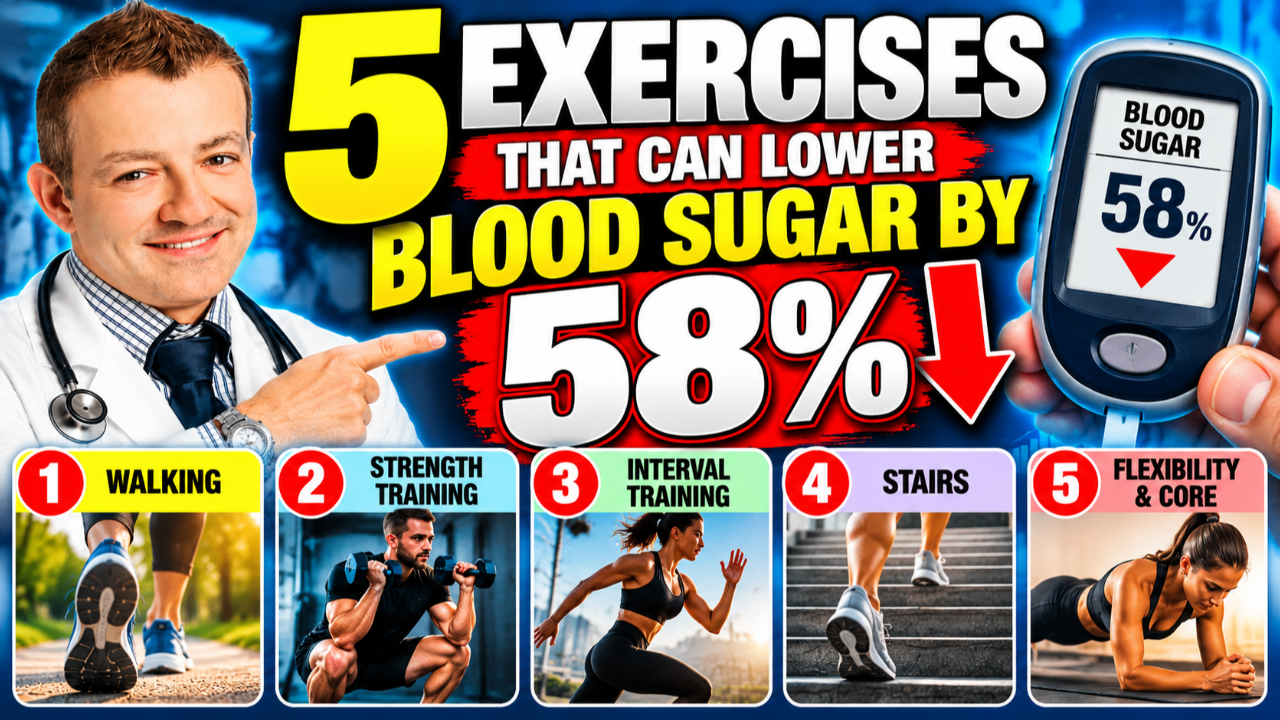
5 Exercises That Lower Blood Sugar By 58%
Blood sugar control is not complicated. It is not about finding one perfect workout or one magic supplement. It is about moving your body consistently, and the science behind it is remarkably strong. I am going to show you five specific exercises backed by...
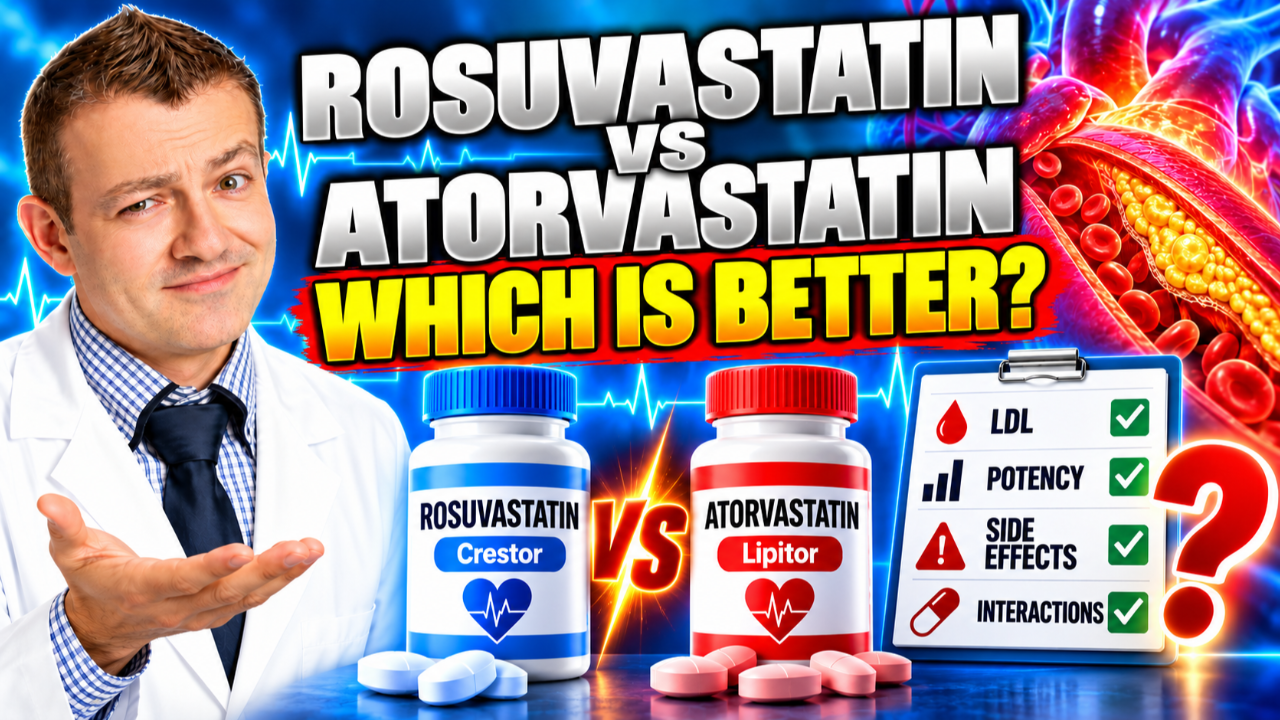
Rosuvastatin vs Atorvastatin (Crestor vs Lipitor): Which Is Better?
Rosuvastatin (Crestor) and atorvastatin (Lipitor) are the two statins I use more than any others. They are both excellent. But they are not identical, and people ask me all the time which one is better. So let me walk you through t...
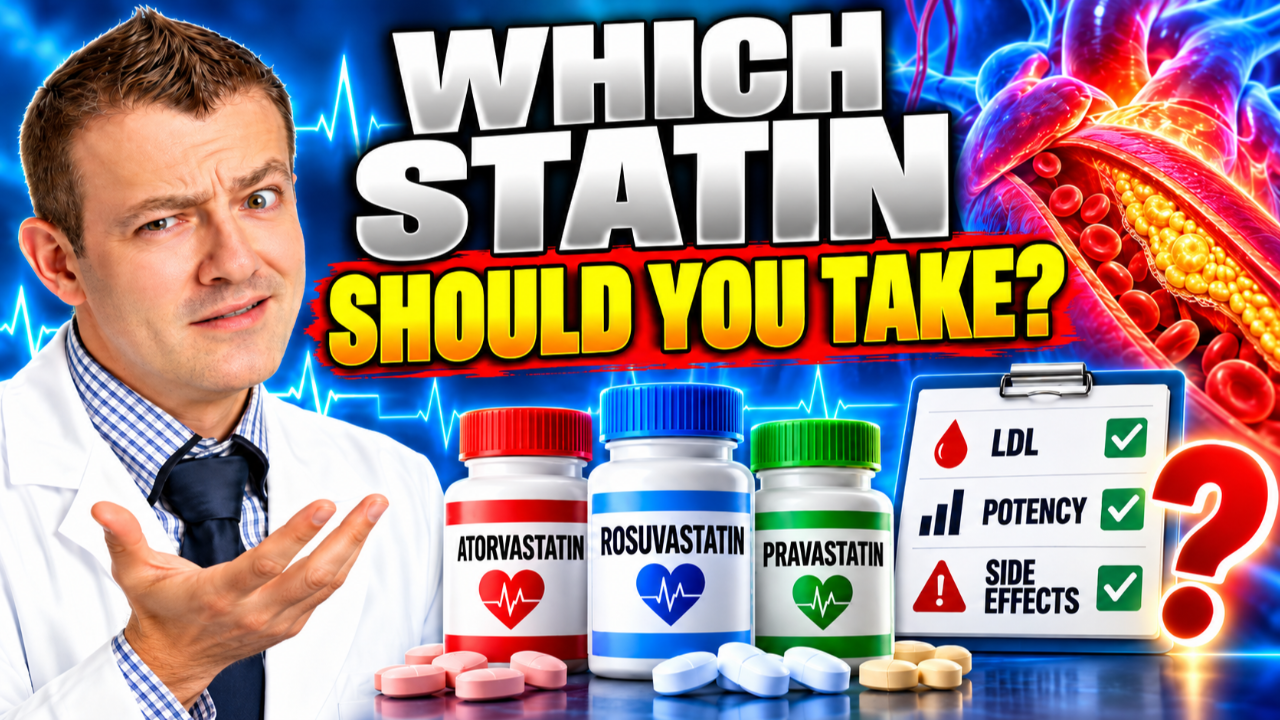
Which Statin Should You Start?
"Which statin should I take?" might be the question I hear most often in clinic. People have heard of Lipitor, Crestor, Zocor, and a half dozen others, and they want to know whether it matters. It does. So let me tell you exactly how I do it, in plain English, and wha...
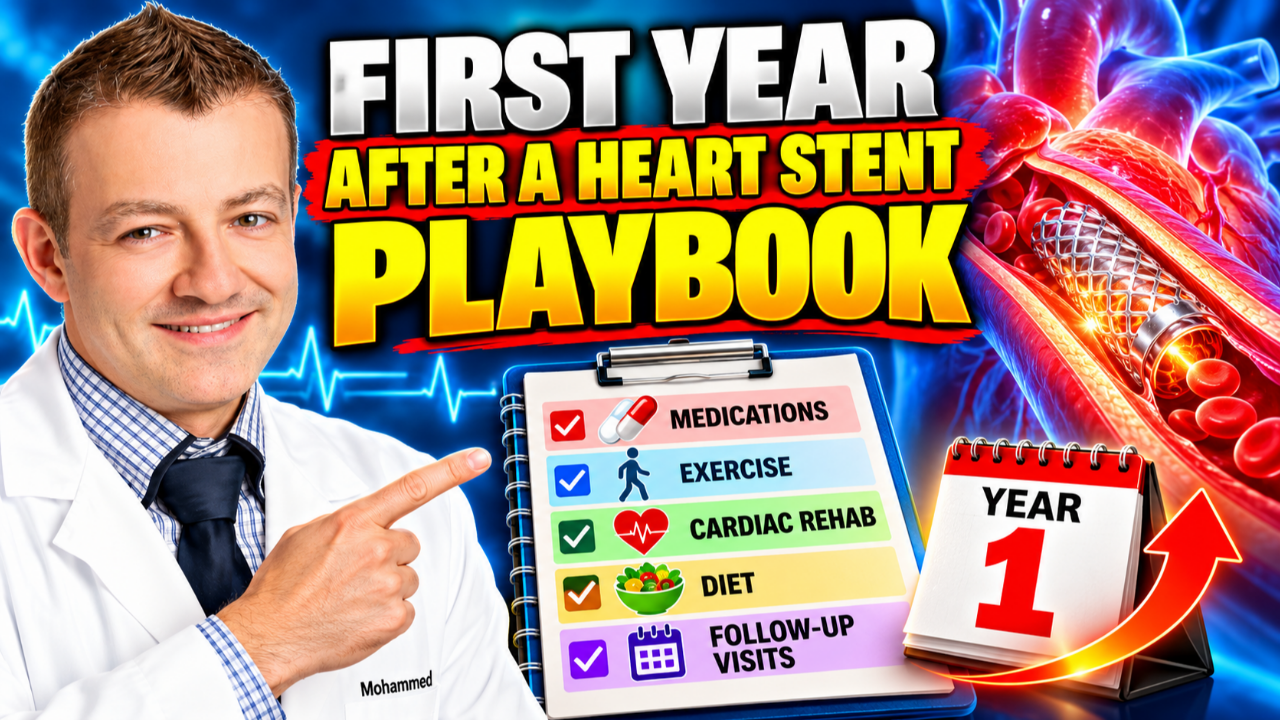
The First Year After A Heart Stent Playbook
If you or someone you love just had a stent placed, the first year matters more than almost any other stretch of your heart health. I see people walk out of the hospital relieved, and they should be. The blocked artery was opened. But a stent is not the e...
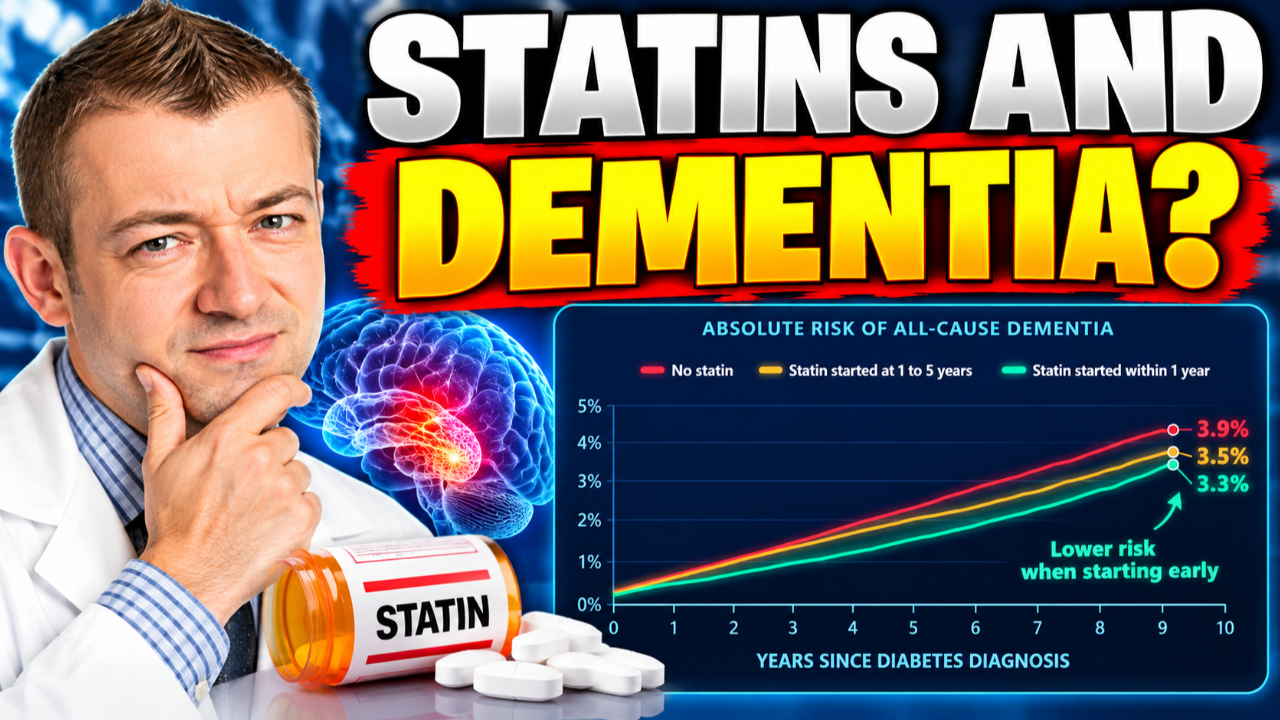
Statins and Dementia in Type 2 Diabetes: Starting Early Was Associated With 15% Lower Risk
If you have spent any time on the wellness side of the internet, you have been told that statins rot your brain. That they cause dementia. That the cholesterol in your neurons is being stripped away by a drug...
You're home alone. Maybe it's the middle of the afternoon, maybe it's 3 in the morning. There's a pressure in your chest, or a strange ache in your jaw, or you're suddenly short of breath and sweating for no reason you can name. Nobody is in the next room. Your first thought is probably, "Let me wai...
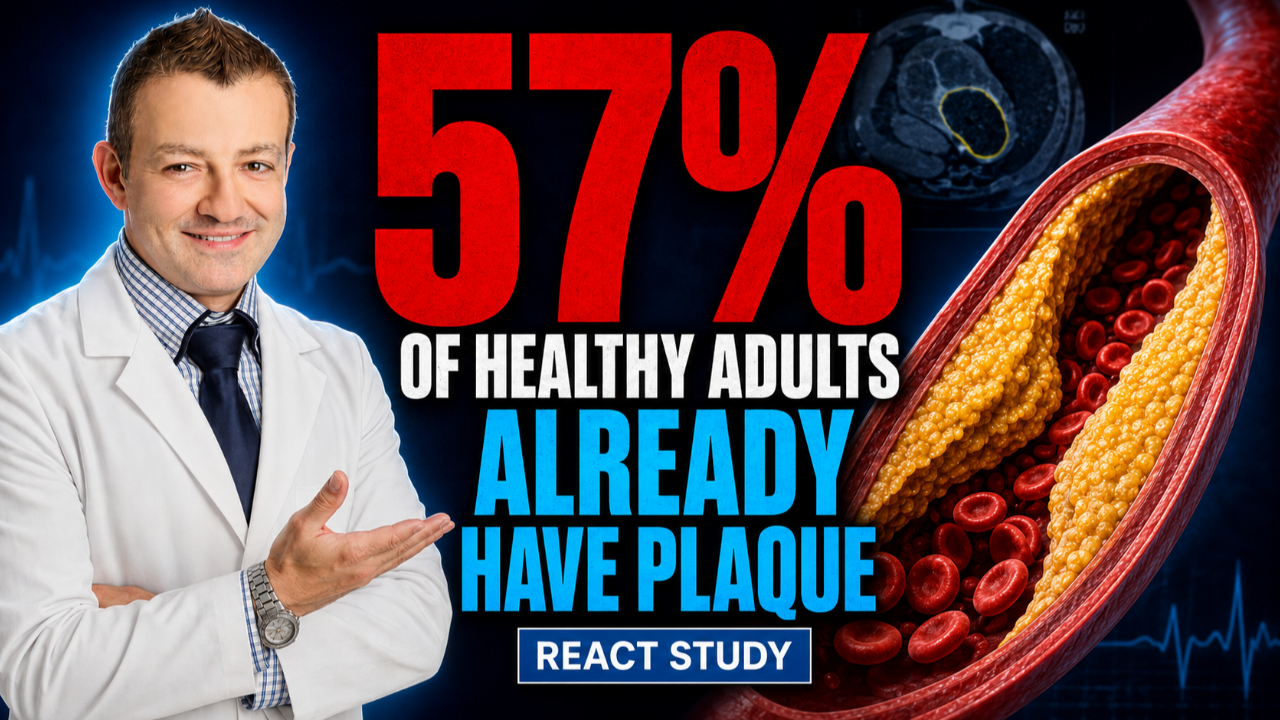
Silent Atherosclerosis: 57% of Healthy Adults Already Have Plaque
A new study just imaged the arteries of 16,808 adults who had no known heart disease. No prior heart attack. No stroke. No stents. No bypass. Just ordinary people between 18 and 70 years old who would tell you, if you asked, that the...
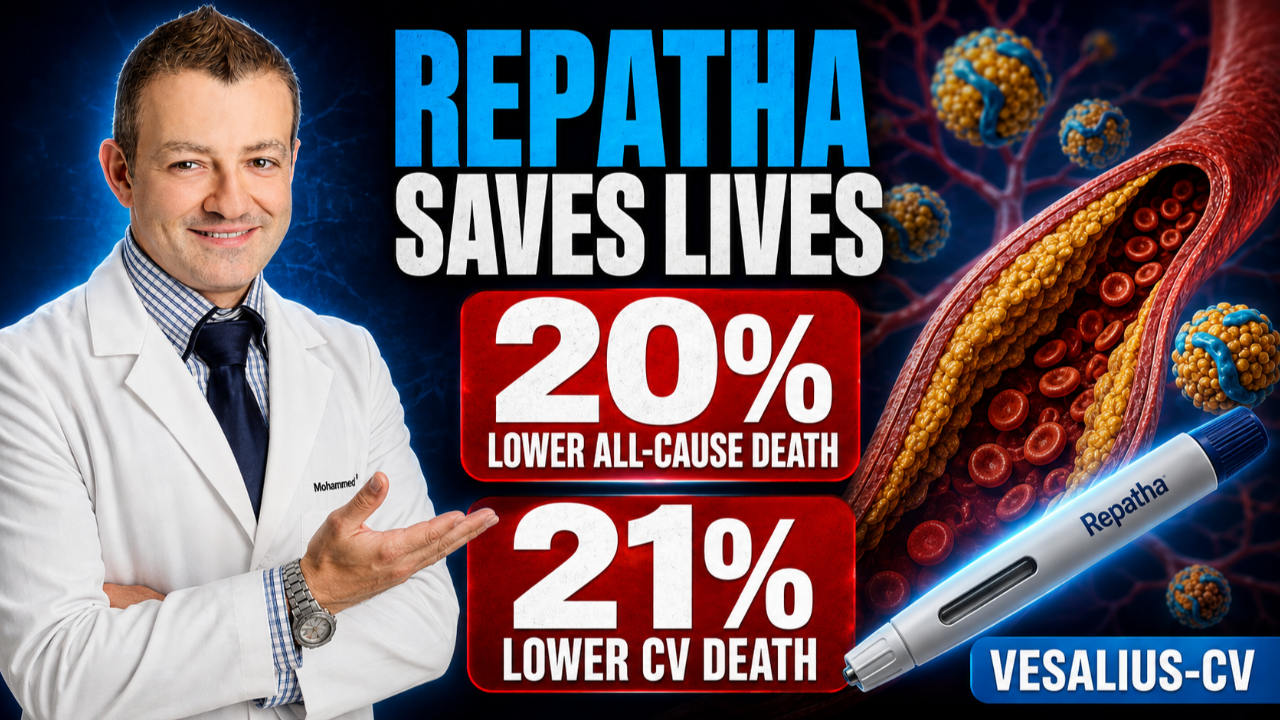
Repatha Cut All-Cause Death by 20% in People Who Never Had a Heart Attack
Most large cholesterol trials are built to show fewer heart attacks and strokes. Very few of them are built to show fewer deaths (all-cause mortality). Studies aren't generally powered for all-cause mortality. This is an impo...
Colchicine and Heart Disease: Reading the Negative Trials Honestly
I want to walk you through one of the more interesting stories in cardiology right now, because it is not a story about a drug that failed. It is a story about what happens when a genuinely good hypothesis meets a genuinely large tr...
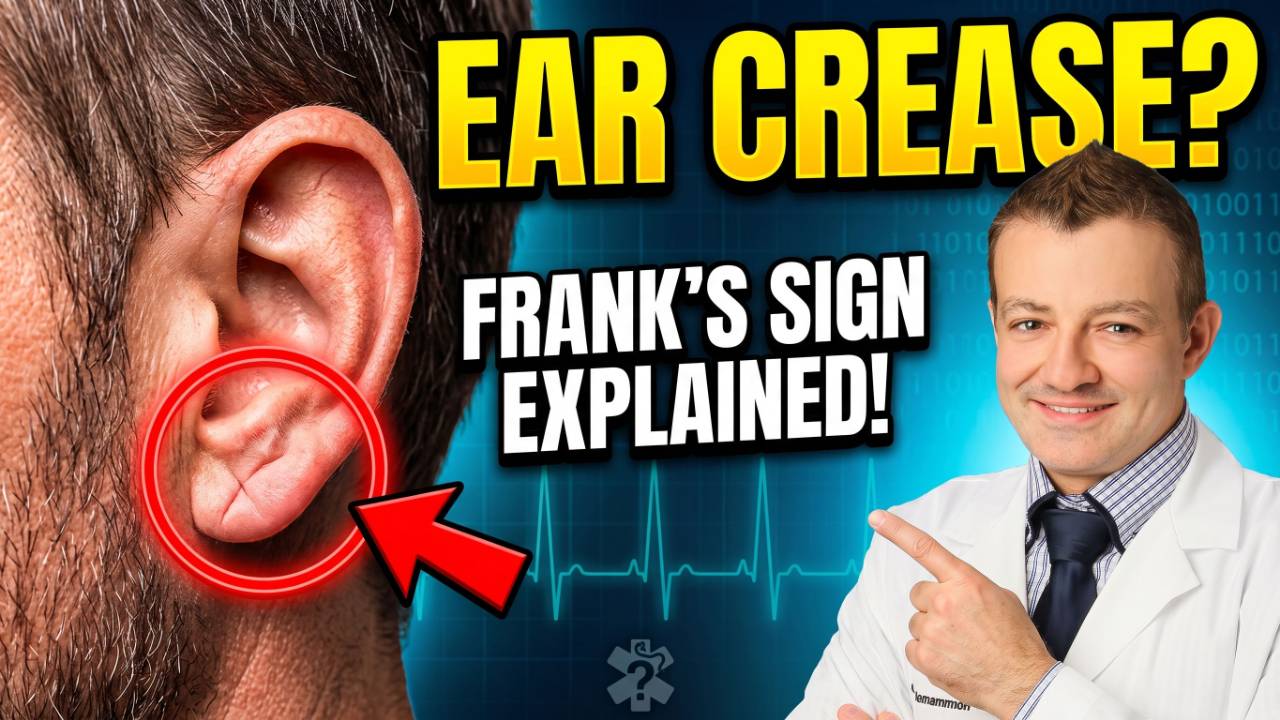
Frank's Sign: Does It Mean You Have Heart Disease
In 1973, an American pulmonologist named Sanders T. Frank published a brief report noting something peculiar about his patients with coronary artery disease. Many of them had a diagonal crease running across the earlobe, extending from the tragus to...
Cardiology & Obesity Medicine



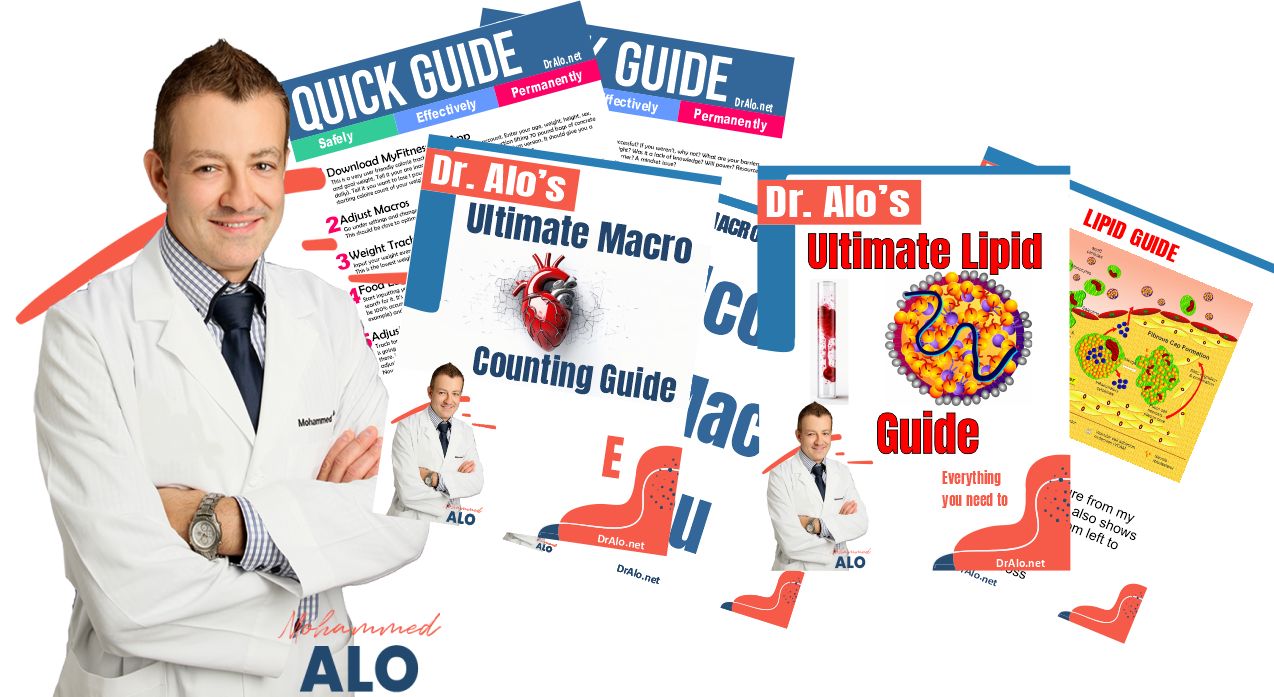
FREE Power of 3 Longevity Bundle
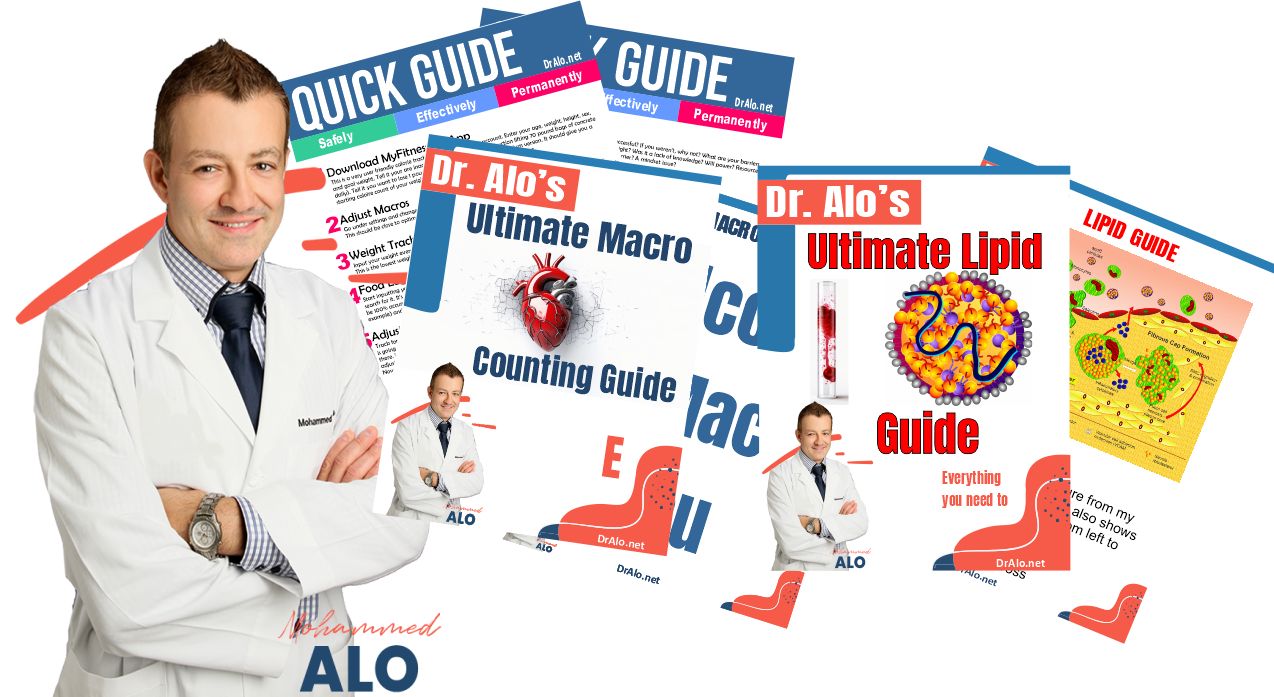
Grab My 5 Step Quick Guide for Weight Loss & My Ultimate Macro Counting Guide & My Ultimate Lipid Guide for FREE! Normally a $297 Bundle!
Everything you need to live a healthy life, live longer, and lose weight properly!
Most of my clients, friends, and patients lost all the weight they ever wanted with this bundle!
Don't worry, I never send spam!
Disclaimer:
This blog is for general informational, educational, and entertainment purposes only and does not constitute the practice of medicine, nursing or other professional health care services, including the giving of medical advice, and no doctor/patient relationship is formed. The use of information on this blog or materials linked from this blog is at the user's own risk. The content of this blog is not intended to be a substitute for professional medical advice, diagnosis, or treatment. Users should not disregard, or delay in obtaining, medical advice for any medical condition they may have, and should seek the assistance of their health care professionals for any such conditions. Dr. Alo and his subsidiaries can not be held responsible for any harm, deleterious effects, up to an including death form the information contained on this website and blog.