A Cardiologist’s Guide to Understanding (and Managing) Atrial Fibrillation

cardiology Dec 29, 2025
Afib treatment reversal

Afib Symptoms, Reversal, and Treatment

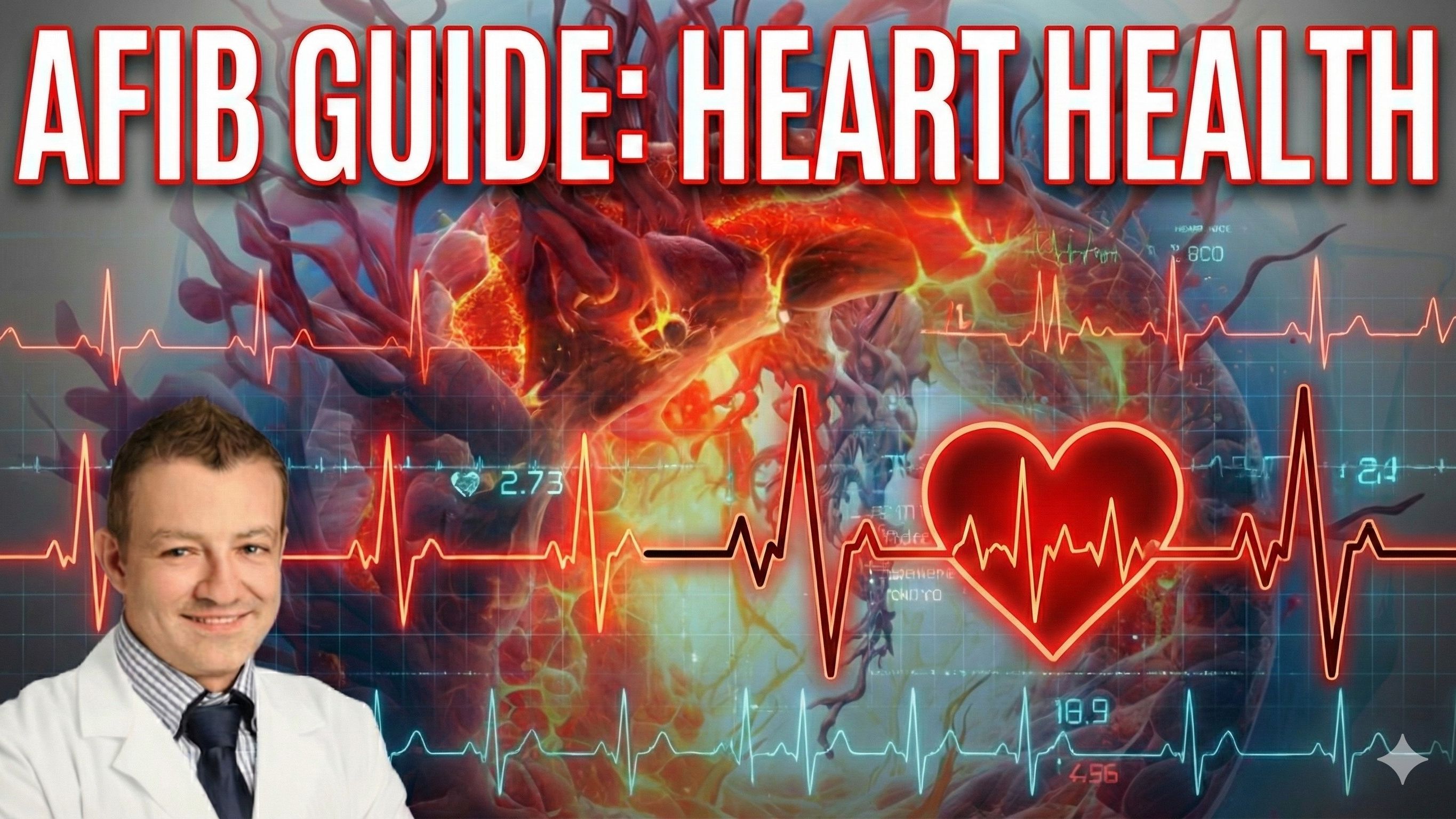
If you have ever felt like a fish is flopping around inside your chest, or like your heart is racing a million miles an hour while you’re sitting on the couch, you might be experiencing Atrial Fibrillation, commonly known as AFib.

As a cardiologist, this is one of the most common arrhythmias I treat in the clinic. It is scary for patients, but the good news is that it is highly manageable—and in many cases, preventable or even reversible with the right lifestyle changes.

Here is what you need to know about the electrical storm in your heart, and more importantly, what you can do about it.


What is AFib?

To understand AFib, you have to understand how the heart beats.

Normally, the heart beats in a synchronized rhythm, initiated by the sinus node in the top right chamber. It’s an organized electrical signal: Top, Bottom. Top, Bottom.

In Atrial Fibrillation, chaos takes over the top chambers (the atria). instead of one organized signal, you have hundreds of chaotic electrical impulses firing at once. The top chambers stop squeezing effectively and just "fibrillate" (quiver).

This causes two major problems:

  1. Inefficiency: You lose the "atrial kick," which reduces your heart’s pumping efficiency by 10-20%.
  2. Clots: Because blood isn't moving smoothly, it can pool in the left atrial appendage, form a clot, and travel to the brain. This is why AFib is a leading cause of stroke.


The Symptoms: What Does It Feel Like?

AFib presents differently for everyone. Some of my patients have no idea they have it until we find it on an EKG during a routine physical. Others feel debilitating symptoms.

Common signs include:

  • Palpitations: A sensation of a racing, uncomfortable, or irregular heartbeat.
  • Fatigue: Feeling wiped out after simple activities.
  • Shortness of Breath: Especially during exertion.
  • Dizziness or Lightheadedness.


The Root Causes (The "Why")

This is the most critical part. AFib rarely happens in a vacuum. It is usually a symptom of other underlying metabolic or structural issues.

If you come to me with AFib, I immediately look for these culprits:

  • High Blood Pressure (Hypertension): The #1 risk factor. Stiff arteries force the heart to work harder, stretching the atria and disrupting electrical pathways.
  • Sleep Apnea: There is a massive correlation between untreated sleep apnea and AFib. If you snore and stop breathing at night, your heart is under stress while you sleep.
  • Alcohol Consumption: Even moderate drinking acts as a toxin to heart muscle cells. "Holiday Heart Syndrome" is real.
  • Obesity: Excess weight increases inflammation and physically enlarges the atria.


The Treatment Plan: The 3 Pillars

When we treat AFib, we look at three specific goals.

  1. Stroke Prevention

This is non-negotiable. We calculate your stroke risk score (CHA2DS2-VASc). If your risk is elevated, we will put you on a blood thinner (anticoagulant) to prevent clots from forming. This saves lives.

  1. Rate vs. Rhythm Control
  • Rate Control: We use medications (like beta-blockers) to keep the heart rate down so you don't feel like your heart is racing, even if the rhythm remains irregular. This can be used, but is not optimal. Rhythm control is optimal.
  • Rhythm Control: We try to snap the heart back into normal sinus rhythm. This can be done via anti-arrhythmic drugs, a shock to the heart (cardioversion), or a procedure called an Ablation, where an electrophysiologist burns or freezes the misfiring tissue.
  1. Lifestyle Modification: Weight loss, sleep apnea, COPD, obesity can increase atrial fibrillation and should be addressed

This is where most doctors stop, but where real healing begins.

Pills and procedures treat the result of AFib. Lifestyle changes treat the cause.

There is a famous piece of research called the LEGACY Study. It showed that patients who lost 10% or more of their body weight had a six-fold greater probability of remaining free from AFib compared to those who didn't lose weight.

Think about that. Weight loss is often as powerful, if not more so, than our strongest medications.

But Lifestyle options should not be used as a replacement for medications. Once diagnosed with atrial fibrillation, you will need medications to prevent strokes and control your heart rate. Our first priority is STROEK PREVENTION, with blood thinners, then we can worry about everything else.

If your heart rate is quite elevated, we need to get that under control rather quickly, because most people can not function with elevated heart rates.


Your Afib Action Plan

If you have been diagnosed with AFib, do not panic. It is a manageable condition.

  1. See your Cardiologist: Get your stroke risk assessed immediately.
  2. Get Tested for Sleep Apnea: If you treat the apnea, the AFib often becomes much easier to manage.
  3. Cut the Alcohol: It is a direct trigger.
  4. Focus on Metabolism: Lowering your blood pressure and losing visceral fat are the best things you can do to keep your heart in rhythm.

Medicine has amazing tools to help your heart, but you have the power to change the environment your heart lives in.


Power of 3 Bundle

Grab My 5 Step Quick Guide for Weight Loss & My Ultimate Macro Counting Guide & My Ultimate Lipid Guide for FREE! Normally a $197 Bundle!

Everything you need to live a healthy life, live longer, and lose weight properly!

Most of my clients, friends, and patients lost all the weight they ever wanted with this bundle!

I hate SPAM. I will never sell your information, for any reason.

Mitral Valve Prolapse: Symptoms, Risks, and Treatments

Dec 29, 2025

Why Niacin Is No Longer Used For Heart Disease

Dec 29, 2025

KETO-CTA Study Controversy Lies & Deception

Oct 19, 2025

Power of 3 Longevity Bundle

Grab My 5 Step Quick Guide for Weight Loss & My Ultimate Macro Counting Guide & My Ultimate Lipid Guide or FREE! Normally a $197 Bundle!

Everything you need to live a healthy life, live longer, and lose weight properly!

Most of my clients, friends, and patients lost all the weight they ever wanted with this bundle!

Disclaimer:

This blog is for general informational, educational, and entertainment purposes only and does not constitute the practice of medicine, nursing or other professional health care services, including the giving of medical advice, and no doctor/patient relationship is formed. The use of information on this blog or materials linked from this blog is at the user's own risk. The content of this blog is not intended to be a substitute for professional medical advice, diagnosis, or treatment. Users should not disregard, or delay in obtaining, medical advice for any medical condition they may have, and should seek the assistance of their health care professionals for any such conditions. Dr. Alo and his subsidiaries can not be held responsible for any harm, deleterious effects, up to an including death form the information contained on this website and blog.