
Low Blood Pressure Symptoms: When It’s a Problem (and When It’s Just Your Normal)
Dec 31, 2025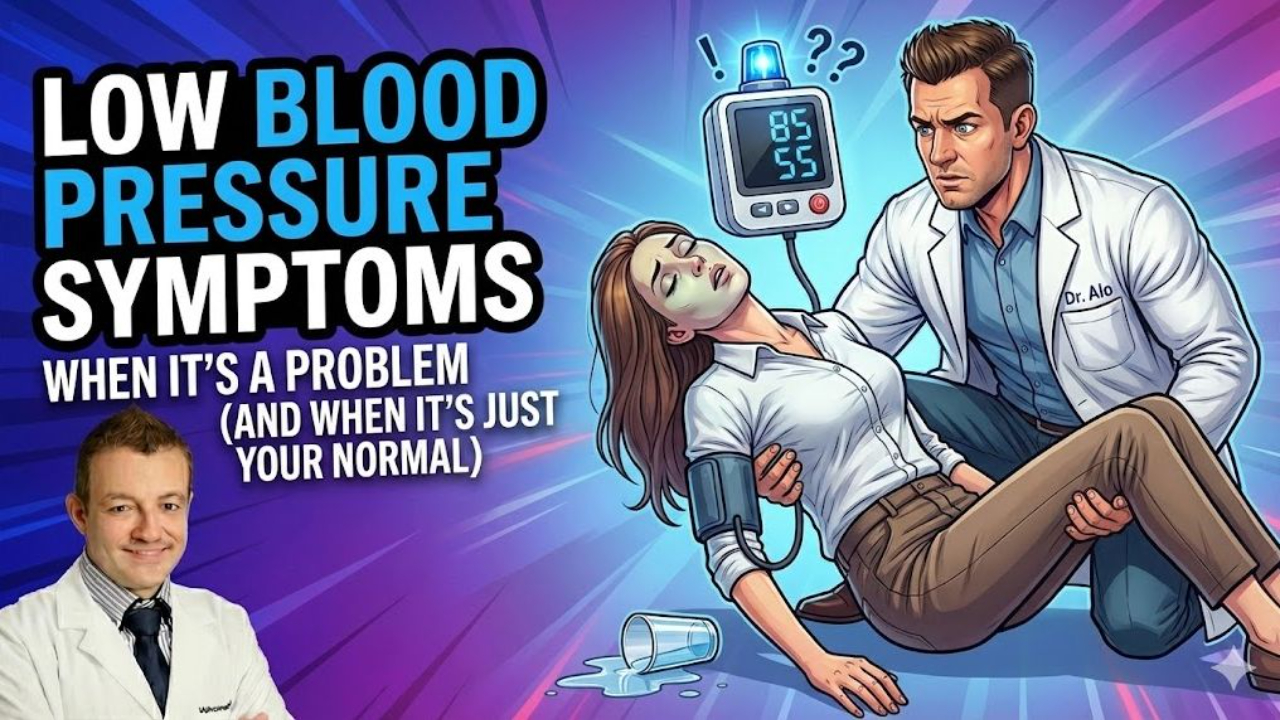
Symptoms of Low Blood Pressure: When to Worry vs When It's Fine
Most people worry about high blood pressure and for good reason. But some of you struggle with the opposite: low blood pressure (hypotension).
Here's the thing: a low number isn't automatically dangerous. Low BP becomes a problem when it causes symptoms or reduces blood flow to your vital organs.
I'm going to walk you through what low blood pressure is, the symptoms to watch for, and what to do about it.
Medical note: If you have fainting, chest pain, severe shortness of breath, confusion, or signs of shock, seek emergency care immediately.
Key Takeaways
Low blood pressure is often defined as below 90/60 mm Hg, but symptoms matter way more than the number itself.
Many healthy people run low and feel completely fine.
Worrisome symptoms include dizziness, fainting, confusion, blurry vision, and weakness, especially when you stand up.
What Actually Counts as "Low Blood Pressure"?
Most clinicians use these cutoffs:
Systolic less than 90 or Diastolic less than 60
But here's the reality: context matters a lot. A BP of 92/58 may be completely normal for one person and genuinely problematic for another.
I see this all the time in my practice. A marathon runner's baseline might be 110/70. A sedentary patient's baseline might be 130/85. If the marathon runner drops to 105/65, they might feel dizzy. If the sedentary patient is at 105/65, they feel fine. Same number, different meanings.
The Main Symptoms of Low Blood Pressure
If your low BP is reducing blood flow to your brain or other vital organs, you may experience:
Lightheadedness or dizziness (especially when standing or turning your head)
Fainting (syncope) (complete loss of consciousness, even for seconds)
Blurry vision (blood not reaching the retina adequately)
Nausea (often paired with dizziness)
Fatigue or weakness (body tissues not getting enough oxygen)
Confusion or difficulty concentrating (brain is oxygen-starved)
Feeling unsteady when standing (balance issues from poor blood flow)
Symptoms matter most when they happen repeatedly or when they lead to falls. A single episode of lightheadedness? That's one thing. Daily dizziness that causes you to grab the wall? That needs evaluation.
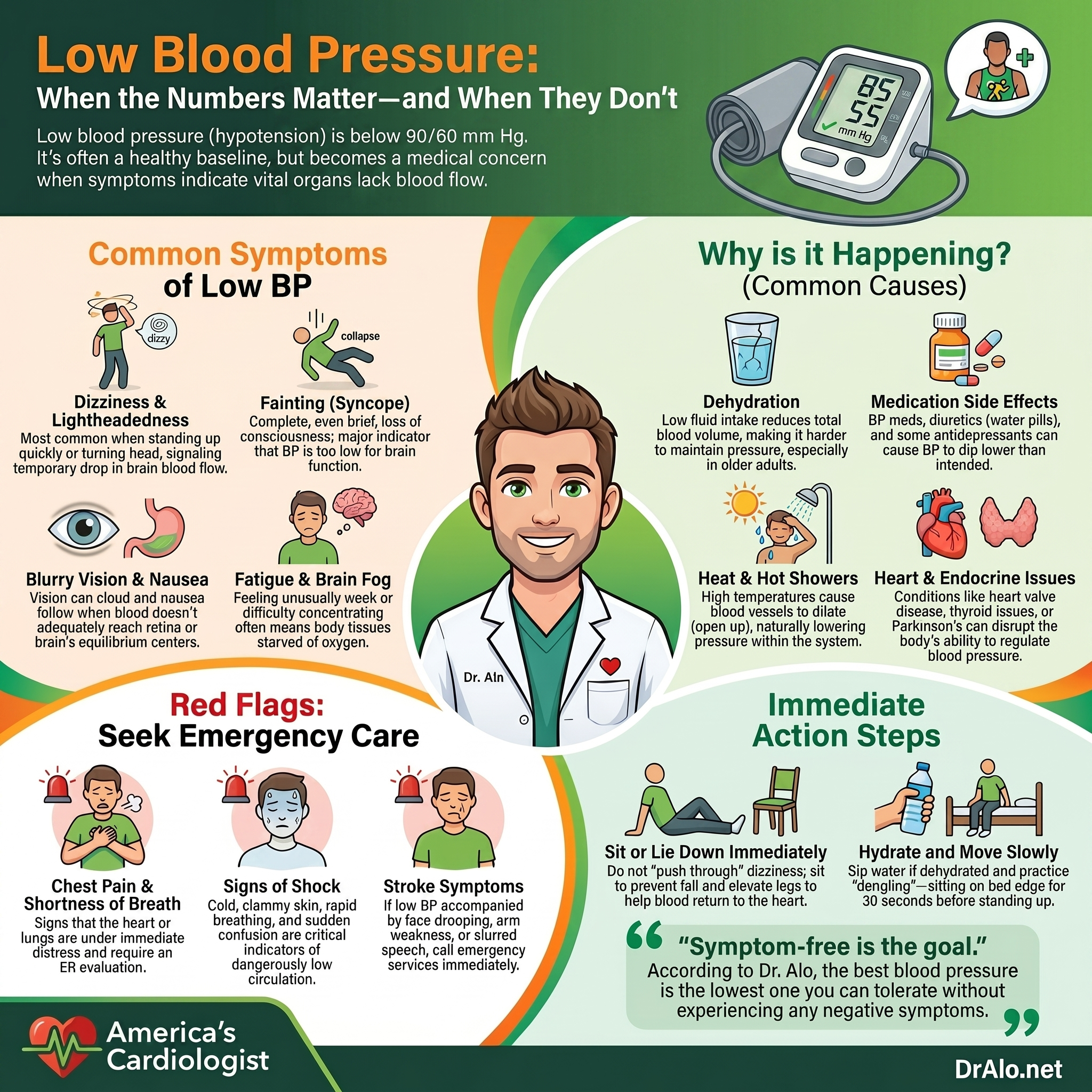
Infographic Summary:
The Common Subtype: Orthostatic Hypotension
Orthostatic (or postural) hypotension means your blood pressure drops when you stand up. It's super common and usually fixable.
The clues are:
Symptoms happen within seconds to minutes of standing.
You feel better when you sit or lie down again.
This can happen because of dehydration, medications, autonomic nervous system issues, or prolonged bed rest. I see it all the time after surgery or in patients on new blood pressure meds.
Why Low Blood Pressure Happens: The Most Common Causes
1. Dehydration or Not Enough Fluid Intake
Even mild dehydration can reduce your blood volume and cause dizziness when you stand. Your heart has less fluid to pump, so your BP drops. This is especially true in older adults who don't feel thirsty as easily.
2. Medications
Common medication culprits include:
Blood pressure medications (especially if the dose is too strong for you)
Diuretics ("water pills")
Certain heart medications (beta blockers, calcium channel blockers)
Medications that cause sedation or widen blood vessels (some antidepressants, antianxiety drugs)
If your symptoms started after a medication change, tell your clinician. Especially if a new blood pressure medication was added or a dose was increased recently. I see this all the time, and the fix is often a simple dose adjustment.
3. Prolonged Standing, Heat, or Hot Showers
Heat causes your blood vessels to dilate (open up). More room in your vessels means lower pressure. This is why some people feel dizzy in hot environments or after a hot shower.
4. Illness, Infection, or Blood Loss
Sudden low BP that appears with illness can be serious and needs evaluation. This includes flu with vomiting/diarrhea, urinary tract infections, or any acute infection. Blood loss from surgery or injury also causes BP to drop.
5. Heart Rhythm Problems or Heart Conditions
If your heart isn't pumping effectively, your BP can drop, sometimes suddenly. Arrhythmias (irregular heartbeats), heart valve disease, or heart muscle weakness can all cause this.
6. Endocrine or Neurologic Conditions
Some conditions affect your hormone balance or how your autonomic nervous system controls blood pressure. Examples include:
Thyroid disease (hypothyroidism especially)
Adrenal insufficiency
Diabetes (from nerve damage affecting BP control)
Parkinson's disease
POTS (Postural Orthostatic Tachycardia Syndrome) - cardiologists treat this quite frequently. I have had patients fly in from all over the world to be treated for this.
When Low Blood Pressure Is Genuinely Dangerous
Seek urgent or emergency evaluation if low BP is accompanied by any of these:
Fainting with injury or repeated fainting episodes
Chest pain (especially crushing or pressure-type pain)
Severe shortness of breath
Confusion or difficulty thinking clearly
Cold, clammy skin (sign of poor circulation)
Rapid breathing or gasping
Severe weakness (can't stand or move)
Signs of stroke: face drooping on one side, arm weakness, speech difficulty
Any combination of these can indicate shock or serious underlying illness. Don't wait it out. Go to the ER.
What You Can Do Right Now: Safe First Steps
If you feel lightheaded:
Sit or lie down immediately. Don't try to push through it. You're at risk of fainting and hitting your head.
Elevate your legs if possible. This helps gravity return blood to your heart and brain.
Drink water if you suspect dehydration. Sipping water slowly is better than chugging it (chugging can make nausea worse).
Stand up slowly, especially first thing in the morning. Sit on the edge of your bed for 30 seconds before standing. This gives your body time to adjust.
Avoid sudden position changes. Moving your head too fast can worsen lightheadedness.
If symptoms are recurrent, don't self-diagnose. Get evaluated by your doctor. Bring a log of when the episodes happen and what you were doing.
If You Take Blood Pressure Medication
If your BP is running consistently low and you're experiencing dizziness or fainting:
Do not stop medications abruptly unless your clinician explicitly tells you to. Stopping some BP meds suddenly can cause rebound high BP.
Contact your clinician promptly. Don't wait for your next scheduled visit.
Bring your BP log and exact medication list. The fix might be adjusting the dose, changing the timing of your medication (taking it at night instead of morning), or switching to a different medication entirely.
Sometimes the problem is medication interactions. Sometimes it's the dose. But that needs professional supervision to sort out safely.
FAQs About Low Blood Pressure
Is low blood pressure good for longevity?
Low-normal BP can be protective against heart disease. But "too low" can cause falls, fainting, and inadequate blood flow to your organs. The goal is the lowest pressure you can tolerate without any symptoms. Symptom-free is key.
What is a normal BP for me if I feel fine?
If you consistently have low readings but no symptoms, it may simply be your baseline. Still, mention it at routine visits, especially if it's a new change for you. Your doctor can help determine if it's just who you are or if something has shifted.
Can anxiety cause low blood pressure?
Anxiety more commonly raises blood pressure, not lowers it. But vasovagal episodes (a fainting response triggered by emotional stress, sight of blood, or pain) can temporarily lower BP enough to cause fainting. That's different from chronic low BP from anxiety.
The Bottom Line
Low blood pressure is only a problem if it's causing symptoms or complications. Many healthy people run low their entire lives and feel great. But if you're experiencing dizziness, fainting, confusion, or chest pain, that's your signal to get checked out. A simple office visit with your doctor can usually identify the cause and get you feeling normal again.
Ready to take control of your heart health? Join the Heart 2 Heart VIP Community where you can text me questions any time, join live video calls with me, and connect with others committed to real cardiovascular health. No fluff, no supplements I can't defend with evidence. Just cardiology done right. Join the community.
💪🏻🩺🫀 Dr. Alo
References:
Freeman R. Neurogenic Orthostatic Hypotension. New England Journal of Medicine. 2008;358:615-624.
Related Blood Pressure Management Posts
Complete blood pressure library:
- What Does 130/80 Mean? Stage 1 Hypertension
- How to Take Blood Pressure at Home Correctly
- Why Is My Blood Pressure High in the Morning?
- White Coat vs Masked Hypertension
- Blood Pressure Spikes After Coffee, Stress, or Exercise
- When Is High Blood Pressure an Emergency?
- Best Foods to Lower Blood Pressure
- Blood Pressure Medications Explained
- How To Lower Blood Pressure Naturally Without Meds
- Is Salt Burning Your Heart?
Prevention & Guidelines
- Dr. Alo's Dietary Guidelines – Complete prevention framework
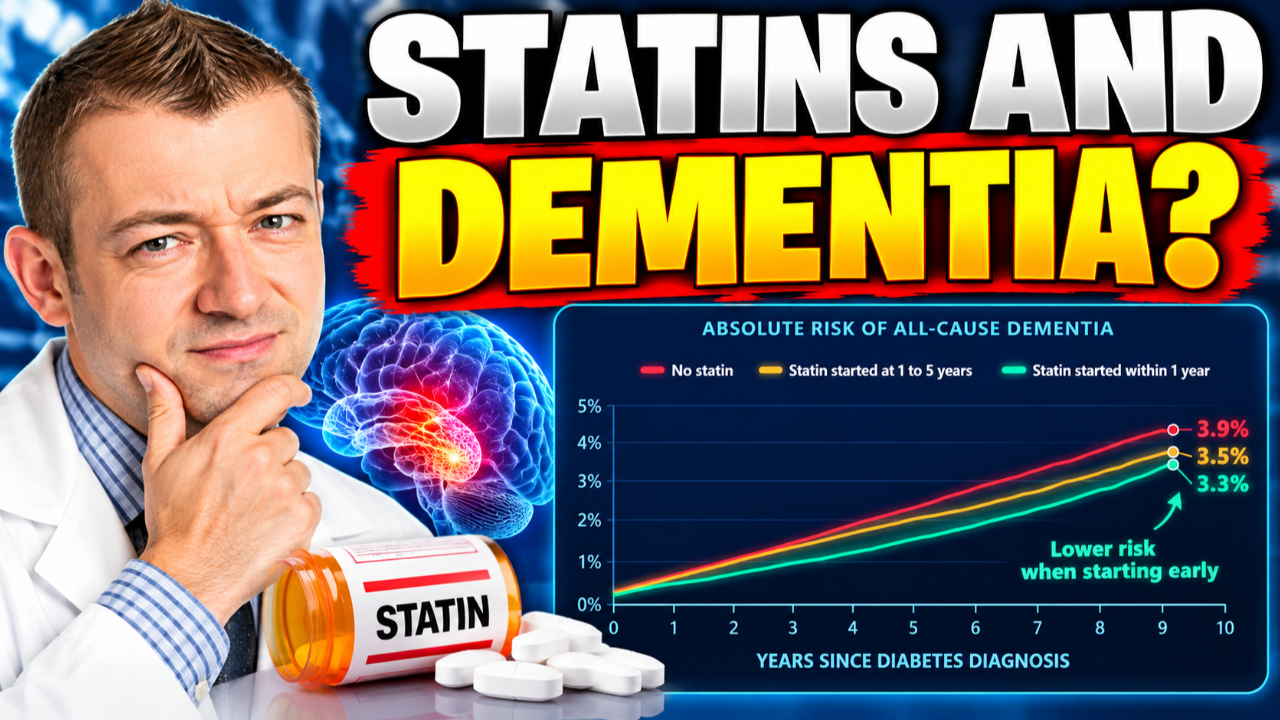
- Statins And Dementia – Medication options
Still Have Questions? Stop Googling and Ask Dr. Alo.
You’ve read the science, but applying it to your own life can be confusing. I created the Dr. Alo VIP Private Community to be a sanctuary away from social media noise.
Inside, you get:
-
Direct Access: I answer member questions personally 24/7/365.
-
Weekly Live Streams: Deep dives into your specific health challenges.
-
Vetted Science: No fads, just evidence-based cardiology and weight loss.
Don't leave your heart health to chance. Get the guidance you deserve. All this for less than 0.01% the cost of health insurance! You can cancel at anytime!
[👉 Join the Dr. Alo VIP Community Today]
Cardiology & Obesity Medicine