
Perimenopause Checklist: Doctor-Guided Symptoms and When to Seek Care
Jan 12, 2026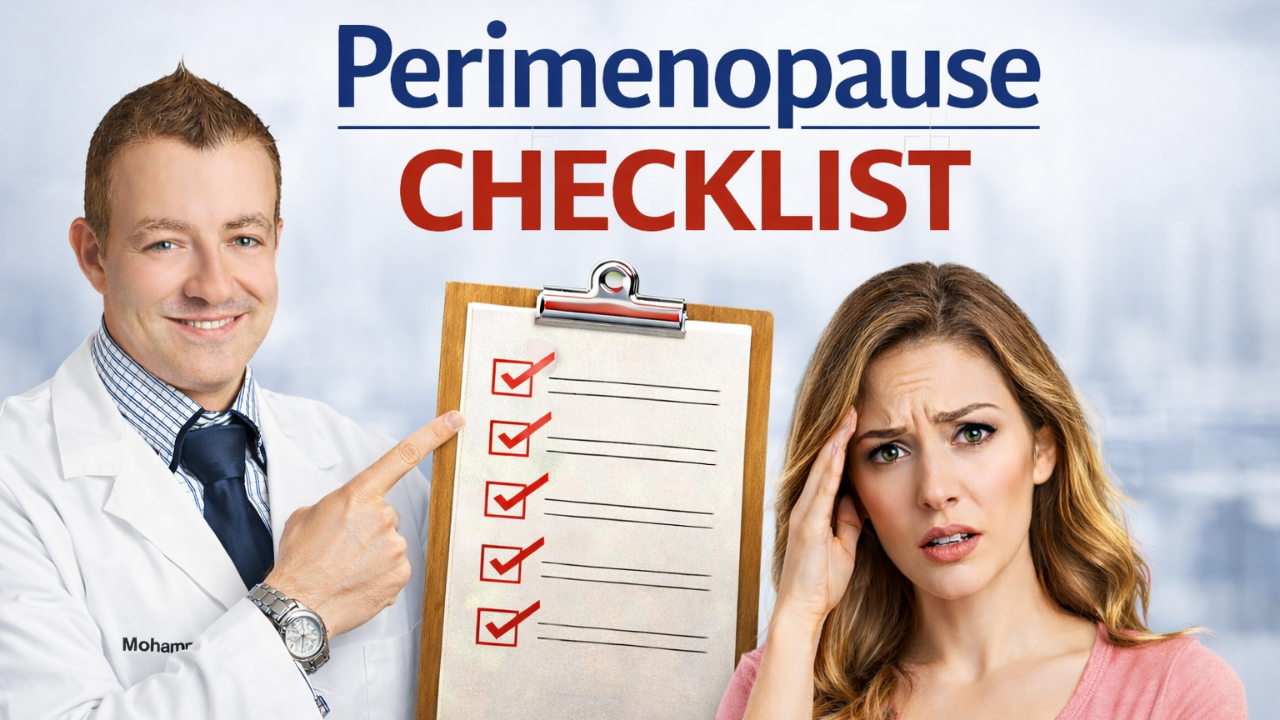
The Ultimate Perimenopause Checklist
Women searching for a perimenopause checklist are often looking for medical clarity, not lifestyle tips. This physician-guided checklist is designed to help you recognize clinically relevant symptoms, understand what may be hormonal, and know when to seek medical evaluation. These are the most common questions I get online. Many women have vague symptoms, and they had no idea it could be due to perimenopause or pre menopause. So, I created this amazing checklist for you!
What Is Perimenopause From a Medical Perspective
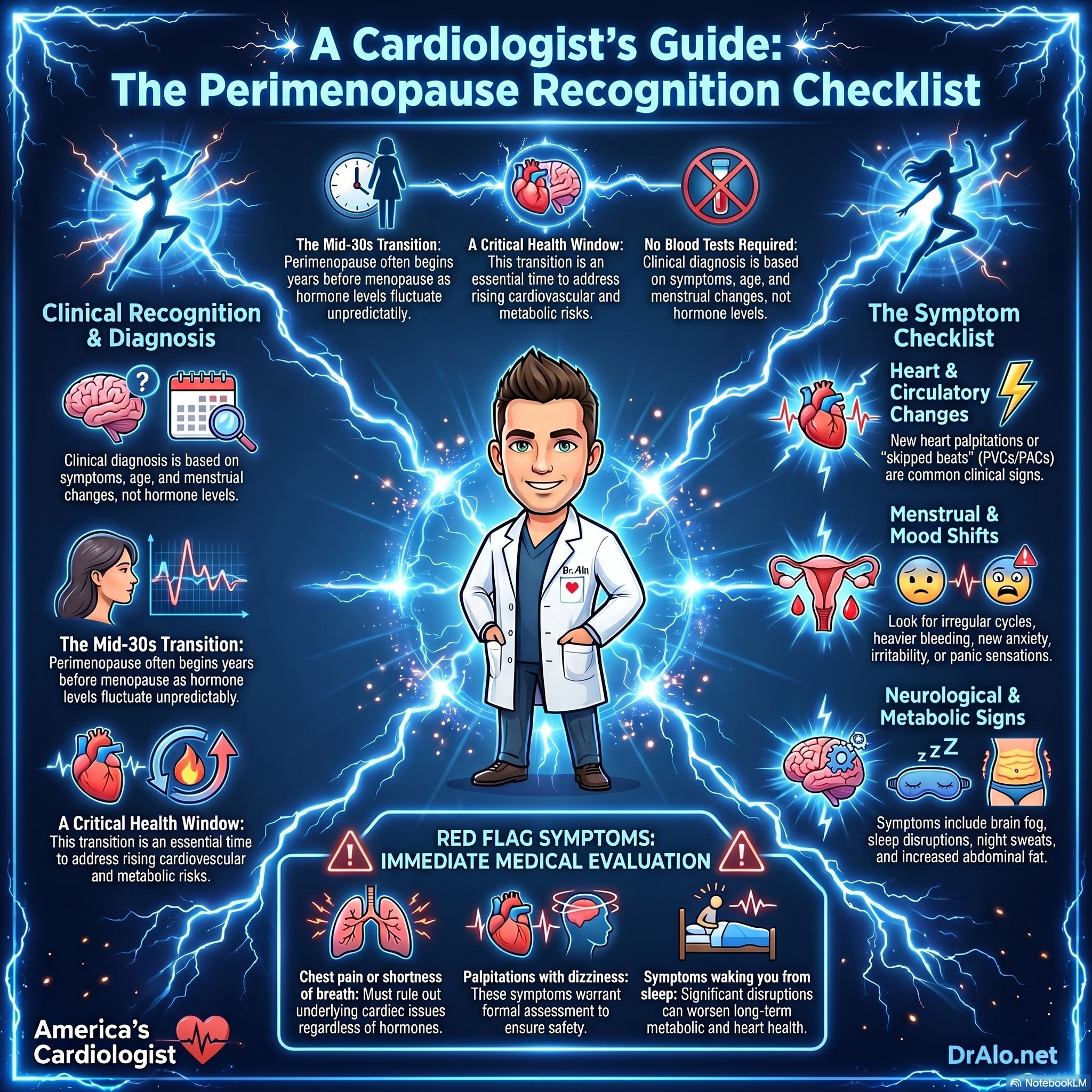
Perimenopause is the hormonal transition leading up to menopause and often begins in a woman’s mid-30s to early 40s. Unlike menopause, hormone levels during perimenopause fluctuate unpredictably. These fluctuations affect the cardiovascular system, nervous system, metabolism, sleep, and mood, which explains the wide range of symptoms women experience.
Why a Perimenopause Checklist Matters Clinically
Perimenopause is a clinical diagnosis based on symptoms, age, menstrual changes, and exclusion of other conditions. Blood tests alone cannot reliably diagnose perimenopause. A checklist helps identify patterns that warrant medical discussion and prevents symptoms from being dismissed as stress or anxiety. Again, I stress this.... Blood tests are not needed to diagnose this!

Menstrual Changes Checklist
Changes in menstrual patterns are often the earliest sign of perimenopause. These include irregular cycles, heavier or lighter bleeding, skipped periods, or worsening premenstrual symptoms. Periods do not need to stop for perimenopause to begin. Cramps may change in severity and frequency.
Heart and Circulatory Symptoms Checklist
Heart palpitations, racing heart, or a pounding heartbeat are common during perimenopause and frequently misattributed to anxiety. While hormonal changes can influence heart rhythm, cardiac symptoms should always be properly evaluated and not dismissed without assessment. Some women will start to get PVCs and PACs that they never had previously. PVCS and PACs are premature heart beats that feel like skipped beats or a "thump" in the chest.
Mood, Anxiety, and Nervous System Symptoms Checklist
Hormonal fluctuations during perimenopause directly affect neurotransmitters and the autonomic nervous system. Women may experience new or worsening anxiety, panic sensations, irritability, mood swings, or depressive symptoms without a prior history.
Sleep Disruption Checklist
Sleep problems are both a symptom and a driver of perimenopause-related health issues. Difficulty falling asleep, night sweats, early-morning awakening, and unrefreshing sleep are common and can worsen cardiovascular and metabolic risk over time.
Brain Fog and Cognitive Symptoms Checklist
Many women experience difficulty concentrating, memory lapses, word-finding problems, and reduced mental stamina during perimenopause. These symptoms are neurological and hormone-related, not motivational or psychological weakness.
Weight, Metabolism, and Body Changes Checklist
Hormonal shifts during perimenopause can lead to weight gain, increased abdominal fat, reduced muscle mass, and insulin resistance, even without changes in diet or exercise habits.
Sexual and Genitourinary Symptoms Checklist
Vaginal dryness, pain with intercourse, decreased libido, urinary urgency, and recurrent urinary tract infections are common during perimenopause and are medical conditions that can be treated.
How Physicians Determine If You Are in Perimenopause
From a physician standpoint, perimenopause is likely when symptoms are new or worsening, fluctuate over time, menstrual patterns change, routine labs are normal, and no other diagnosis fully explains the symptoms. Perimenopause is not ruled out by normal hormone levels.
Perimenopause Versus Other Medical Conditions
Perimenopause can overlap with anxiety disorders, thyroid disease, heart rhythm issues, and depression. A thorough medical evaluation ensures that perimenopause does not become a dismissal and that serious conditions are not overlooked.
When to Seek Medical Care Promptly
Chest pain, palpitations with dizziness or fainting, shortness of breath with exertion, symptoms that wake you from sleep, or a strong family history of heart disease always warrant medical evaluation regardless of hormonal status.
Why Perimenopause Is a Critical Health Window
Perimenopause represents an important opportunity to address long-term health risks. During this transition, cardiovascular risk begins to rise, cholesterol levels may worsen, and sleep disruption can negatively affect metabolic health. Early recognition allows for prevention rather than crisis care.
Perimenopause Infographic Summary:
Perimenopause Bottom Line
Perimenopause is real, common, and frequently misunderstood. A physician-guided checklist helps validate symptoms while ensuring appropriate medical evaluation. Understanding perimenopause empowers women to seek informed care and protect long-term health.
There are many other articles on how Menopause can affect your heart and lipids. Check the Other Articles Here.
Still Have Questions? Stop Googling and Ask Dr. Alo.
You’ve read the science, but applying it to your own life can be confusing. I created the Dr. Alo VIP Private Community to be a sanctuary away from social media noise.
Inside, you get:
-
Direct Access: I answer member questions personally 24/7/365.
-
Weekly Live Streams: Deep dives into your specific health challenges.
-
Vetted Science: No fads, just evidence-based cardiology and weight loss.
Don't leave your heart health to chance. Get the guidance you deserve. All this for less than 0.01% the cost of health insurance! You can cancel at anytime!
[👉 Join the Dr. Alo VIP Community Today]
Cardiology & Obesity Medicine