
How Much Sodium Per Day? A Cardiologist’s Guide
Mar 01, 2026
How Salt Affects Your Heart Health
Eating too much salt raises your blood pressure, which is a major risk factor for heart disease and stroke. When scientists studied thousands of people in research trials, they found that cutting back on salt lowered blood pressure in almost everyone—whether they had high blood pressure already or not. The effect is even stronger in certain groups: older adults, Black individuals, and people who already have high blood pressure see bigger drops in their blood pressure when they reduce salt.
The good news is that lowering salt intake doesn't just help with blood pressure, it actually saves lives. A large study in China involving over 20,000 people found that using a special salt substitute (which replaced some regular salt with potassium) reduced strokes by 14%, heart attacks and other major heart problems by 13%, and deaths from any cause by 12%. Other research shows that for every extra gram of salt you eat per day, your risk of stroke goes up by 6% and your risk of heart disease goes up by 4%.
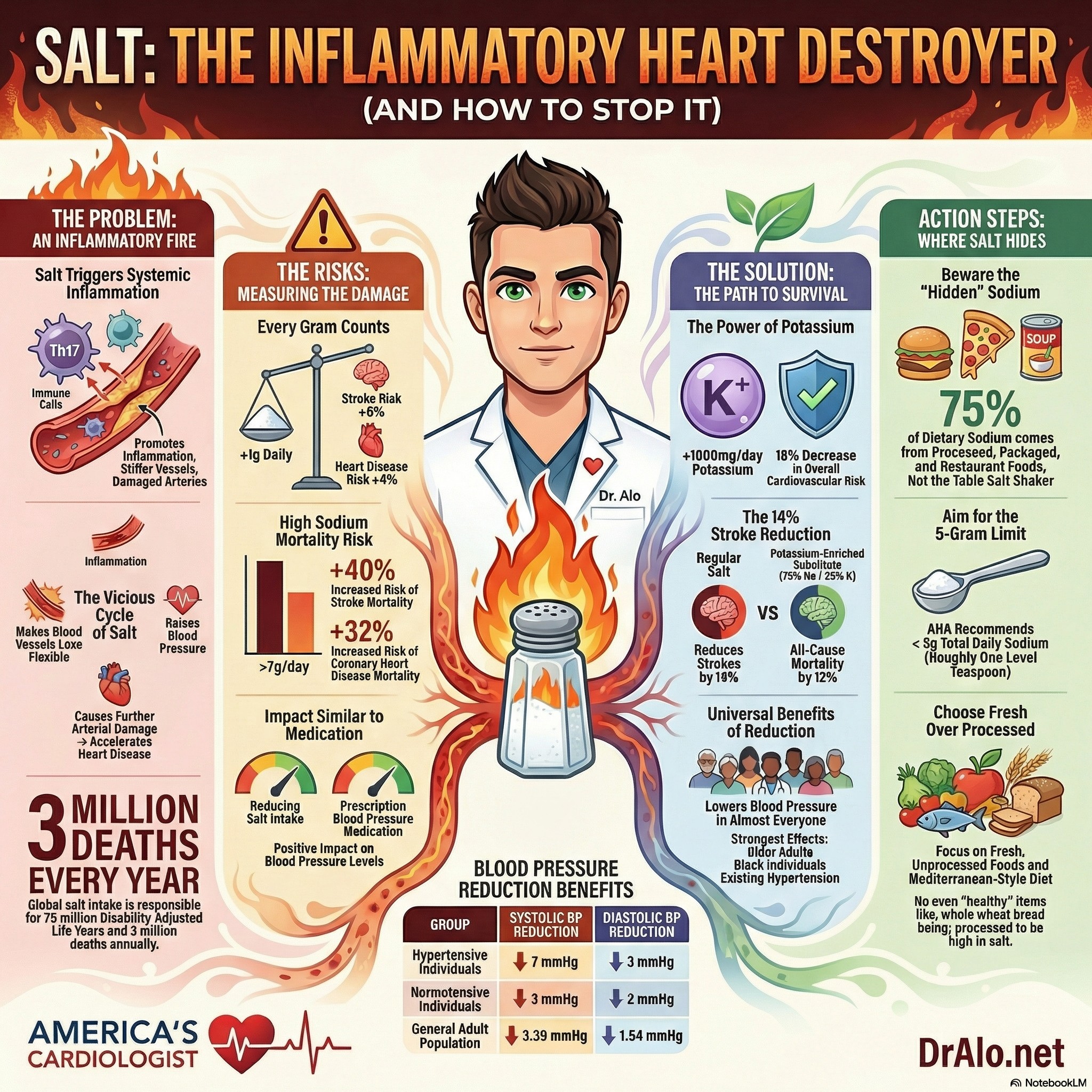
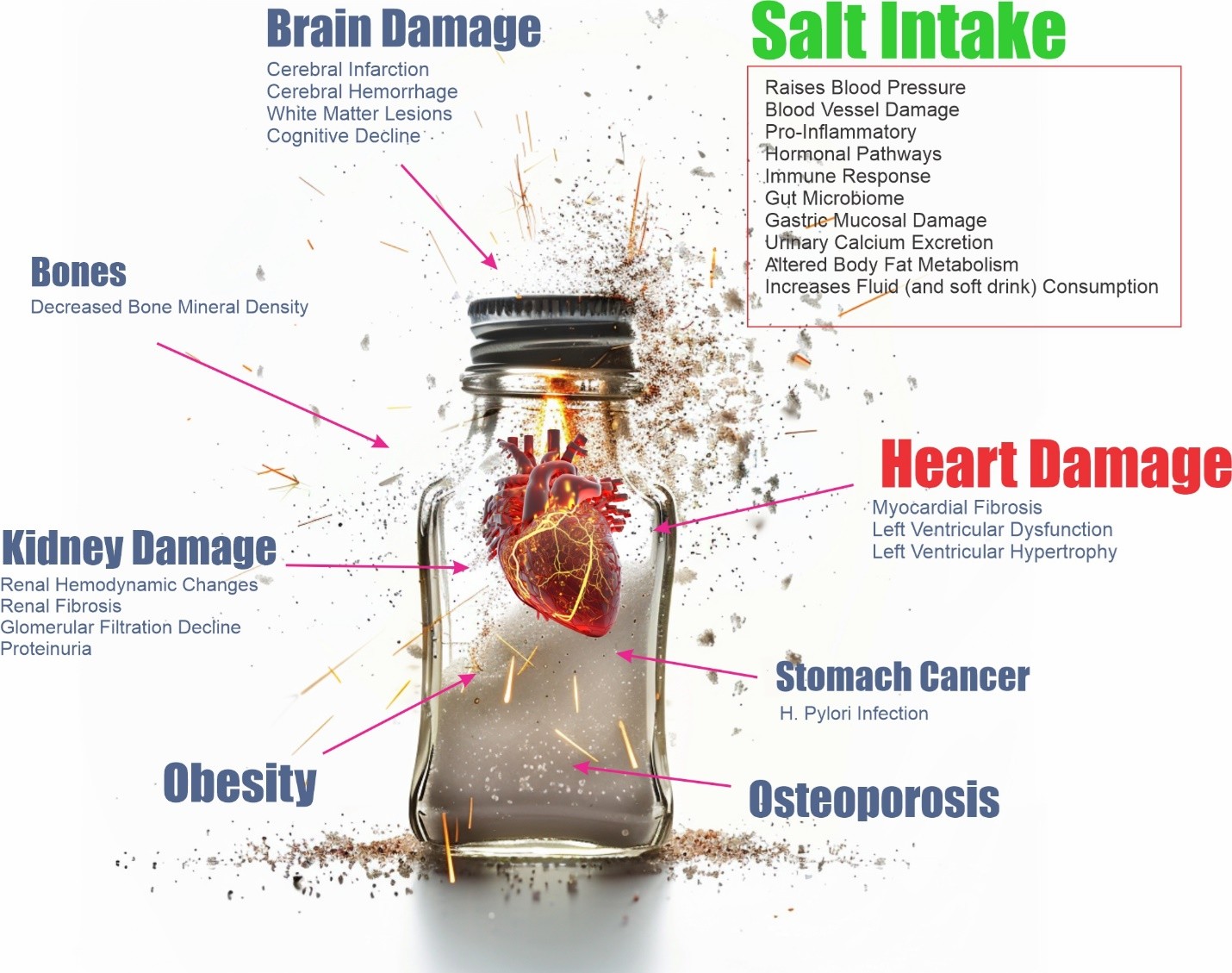
Salt & Heart Disease Infographic Summary:
Is Salt Bad For Your Heart?
Salt doesn't just raise blood pressure, it also causes inflammation throughout your body. Too much sodium triggers immune cells that promote inflammation, which damages blood vessels and makes them stiffer. This creates a vicious cycle: inflammation makes blood vessels less flexible, which raises blood pressure even more, and high blood pressure causes more damage to your arteries over time.
Where Salt Hides in Your Diet
Most of the salt Americans eat doesn't come from the salt shaker on the table. About three-quarters of our salt intake comes from processed foods, packaged foods, and restaurant meals. Even foods that seem healthy, like whole wheat bread or organic products, can be surprisingly high in sodium. This means that just avoiding the salt shaker isn't enough. To really cut back on salt, you need to read nutrition labels carefully and choose fresh, unprocessed foods whenever possible. Health experts recommend limiting sodium to less than 5 grams per day (about one teaspoon of salt) to protect your heart and blood vessels.
Reduced salt intake lowers blood pressure, decreases cardiovascular mortality, and reduces major adverse cardiovascular events, while high salt intake promotes inflammation and increases mortality risk.
Salt reduction produces dose-dependent blood pressure reductions across populations. Meta-analyses demonstrate that lowering sodium intake reduces systolic blood pressure by 3.39 mmHg and diastolic blood pressure by 1.54 mmHg in adults. The effect is greater in hypertensive individuals (7/3 mmHg reduction) compared to normotensive individuals (3/2 mmHg reduction) when comparing low-sodium (≤1,500-2,300 mg/day) versus high-sodium (≥4,500 mg/day) diets. Black individuals, older adults, and those with higher baseline blood pressure show greater responsiveness to sodium reduction.

Salt substitution significantly reduces cardiovascular events and mortality
The SSaSS trial demonstrated that replacing regular salt with a potassium-enriched salt substitute (75% sodium chloride/25% potassium chloride) reduced stroke by 14%, major adverse cardiovascular events by 13%, and all-cause mortality by 12%. Moderate to high certainty evidence suggests salt reduction confers absolute risk reductions of 12 fewer all-cause deaths and 9 fewer cardiovascular deaths per 1,000 people.

High salt intake promotes inflammation through multiple mechanisms. Excess sodium induces pathogenic IL-17-producing CD4+ T-helper 17 cells, contributing to autoimmune disease and inflammatory renal conditions. This inflammatory cascade impairs vasodilation, increases vascular stiffness, and elevates systemic vascular resistance. Animal studies confirm that low-salt diets attenuate experimental arthritis by reducing IL-1β, IL-17, and monocyte chemoattractant protein-1 levels.
Observational data show dose-response relationships. Each 1 g/day increase in sodium raises systolic blood pressure by 0.60 mmHg and increases cardiovascular disease and stroke risks by 4% and 6%, respectively. High sodium intake (≥7 g/day) is associated with increased stroke mortality (RR 1.40) and coronary heart disease mortality (RR 1.32). The American Heart Association recommends limiting sodium to <5 g/day, noting that processed foods and restaurant meals account for three-quarters of dietary sodium in the United States.
Reducing salt intake can impact your blood pressure as much as taking a blood pressure medication.
Reduced salt diets, like the DASH diet, have been shown to reduce the risk of CVD.
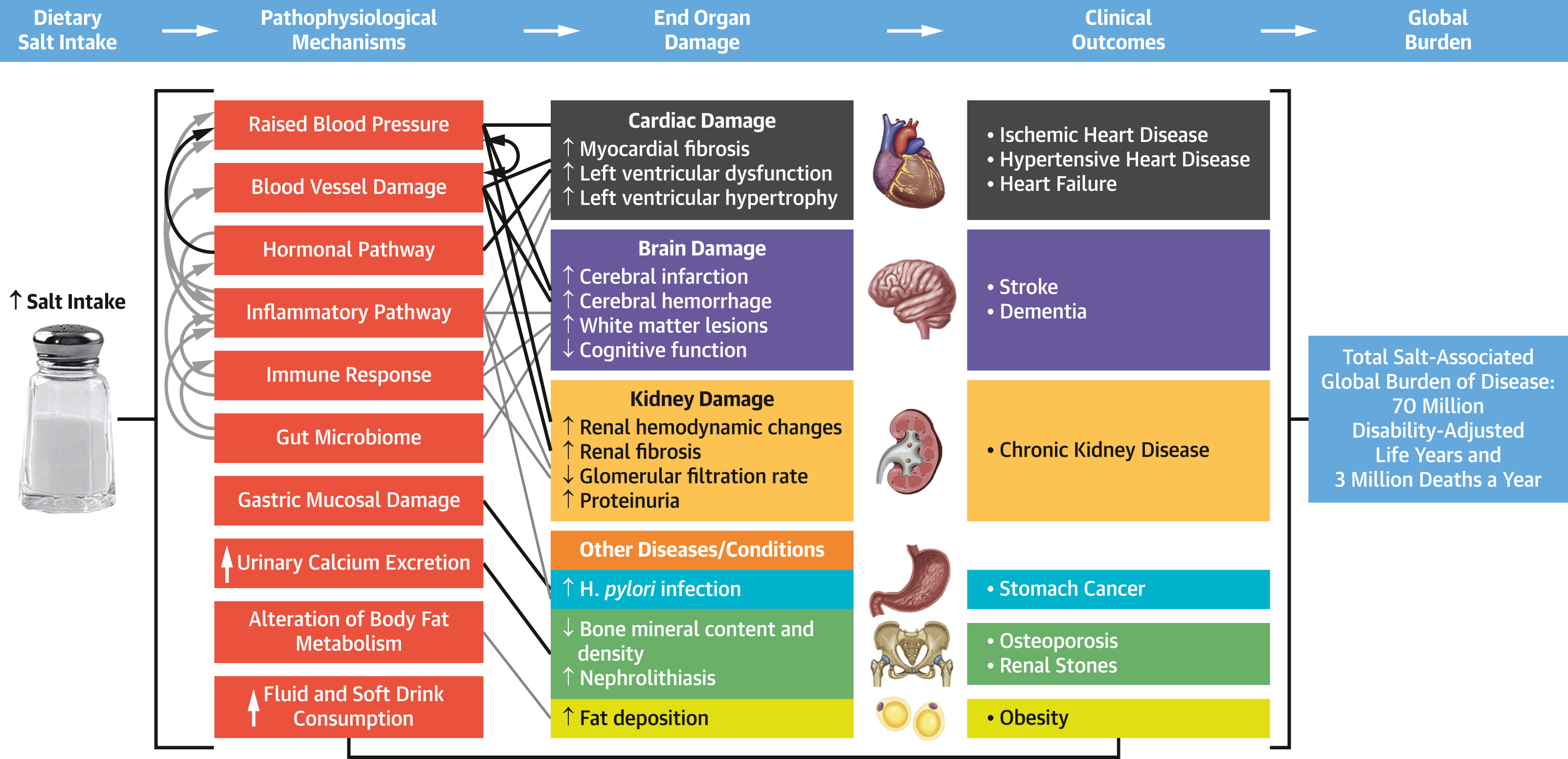
The global burden of increased salt intake is 70 million Disability-Adjusted Life Years and 3 million deaths per year!
Study:
https://www.sciencedirect.com/science/article/pii/S0735109722070371?via%3Dihub#fig1
Large Meta Analysis On Salt Confirm Hypertension Effects
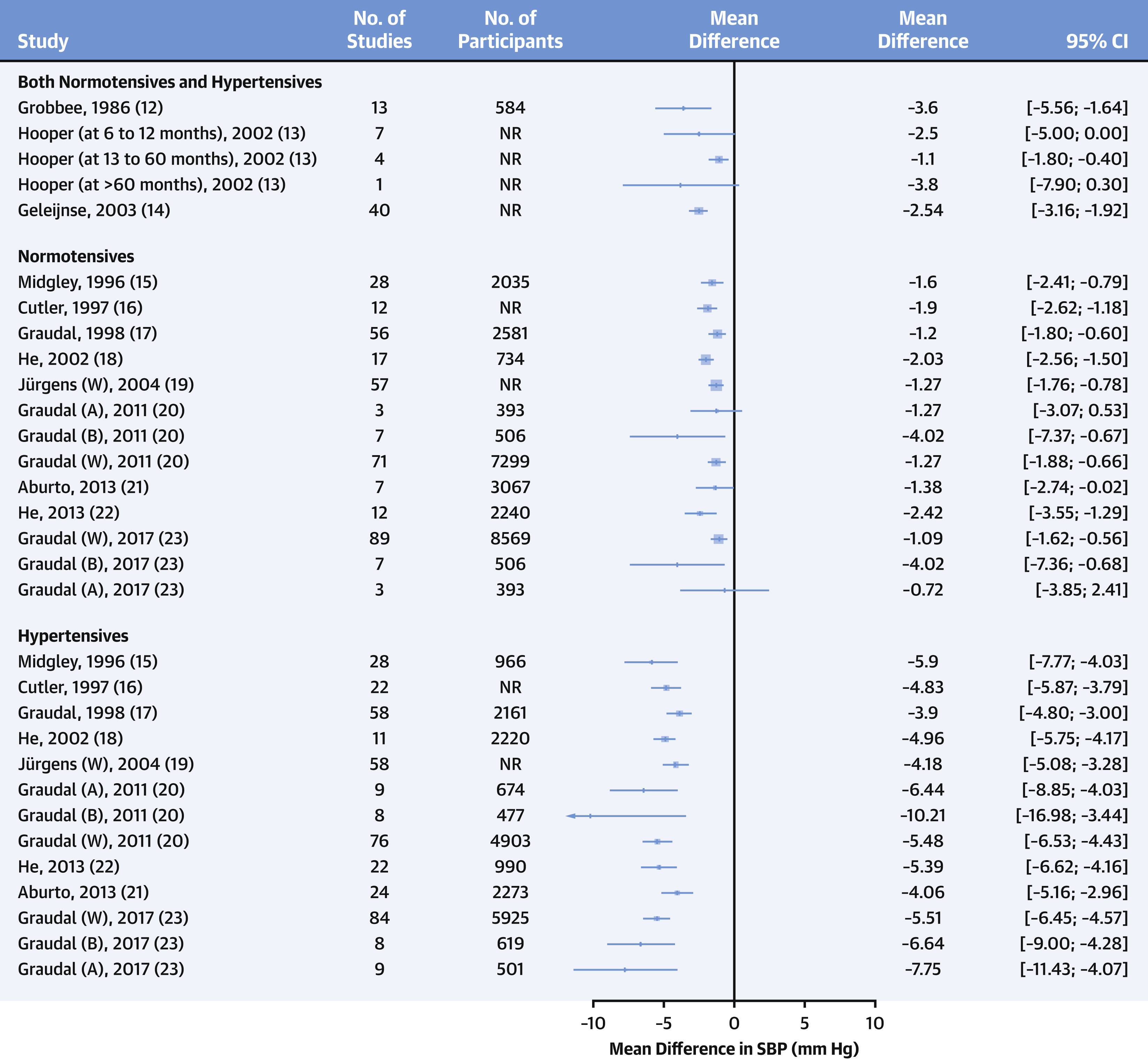
Another study published in the American Journal of Cardiology in 2020 reviewed all the available data on salt and health outcomes.
This was a meta-analysis that showed that in almost every study, reducing salt intake conferred protection and better outcomes.
The forest plot from this study is quite impressive with every single study showing reduced risk with a reduction of salt intake. Much of the reduced risk from reducing salt intake comes from the reduction in systolic blood pressure.
From:
https://www.sciencedirect.com/science/article/pii/S0735109719386929
Sodium vs Potassium and Cardiovascular Outcomes
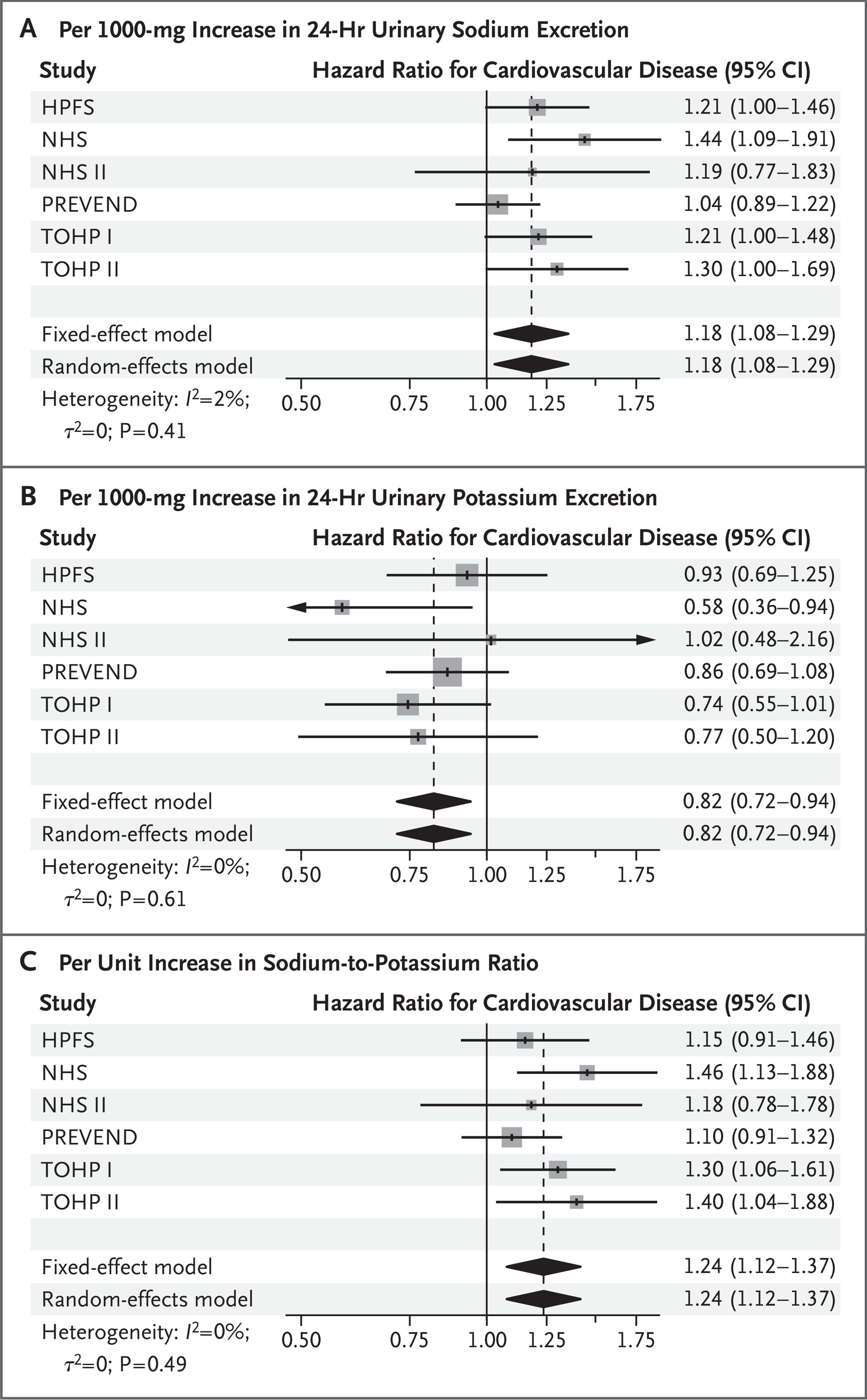
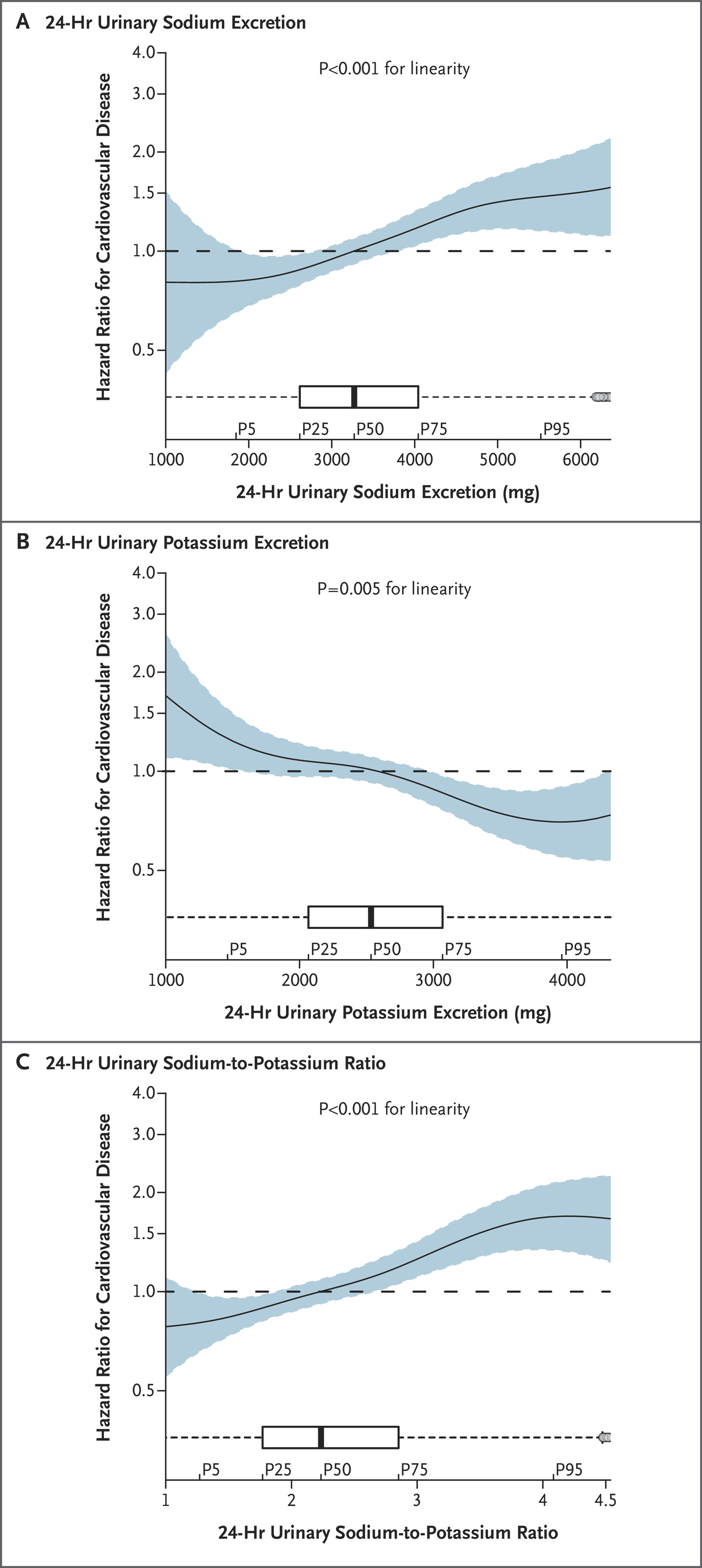
In perhaps the most comprehensive and well-done meta-analysis on sodium and potassium intake, published in the New England Journal of Medicine in 2021, they found that those who consumed more sodium and less potassium had the highest cardiovascular risk in a dose -response manner. They measured urinary sodium and potassium excretion.
Reducing Salt Intake Reduces Blood Pressure In Every Study
Every study that reduced salt intake showed a reduction in systolic blood pressure. There are a few Medfluencers selling books telling you that consuming excess salt is ok. It’s rather bizarre how they can reach that conclusion.
Reducing Salt Intake Reduces Inflammation
Salt has also been shown to be highly pro-inflammatory and increases oxidative stress in humans as well as animal models. Diets that reduce salt generally reduce inflammation, blood pressure, and ASCVD.
Studies:
https://www.ncbi.nlm.nih.gov/pmc/articles/PMC8399701/
https://pubmed.ncbi.nlm.nih.gov/19386745/
https://pubmed.ncbi.nlm.nih.gov/25177670/
https://pubmed.ncbi.nlm.nih.gov/16403692/
https://pubmed.ncbi.nlm.nih.gov/35883760/
https://pubmed.ncbi.nlm.nih.gov/27061200/
https://pubmed.ncbi.nlm.nih.gov/26206316/
Genetics and Blood Pressure
Obviously, many people have genetically high blood pressure and there isn’t a whole lot you can do to naturally lower it. Most will need to be on medications. But you can start with a low sodium diet first and then add meds if needed.
I wanted to add hypertension as its own category even though it’s not on the list of the top ten causes of death by the CDC. The burden of hypertension can be reduced significantly by dietary and lifestyle changes. Like what I have been discussing throughout this book, a Mediterranean style diet, with a lot less salt and more potassium, will reduce the burden of hypertension. Exercise, weight loss, quitting smoking, and reducing salt intake are the best ways to lower hypertension naturally.
Hypertension contributes to, and worsens, nearly every disease state. Just like diabetes. But hypertension is even more prevalent than diabetes.
If you read the section on the North Karelia project in this book, you’ll notice that they were able to reduce mortality by 84% with dietary and lifestyle changes. Almost seventy percent of that reduction was due to reducing saturated fat intake, while 20% was due to reducing blood pressure.
Still Have Questions? Stop Googling and Ask Dr. Alo.
You’ve read the science, but applying it to your own life can be confusing. I created the Dr. Alo VIP Private Community to be a sanctuary away from social media noise.
Inside, you get:
-
Direct Access: I answer member questions personally 24/7/365.
-
Weekly Live Streams: Deep dives into your specific health challenges.
-
Vetted Science: No fads, just evidence-based cardiology and weight loss.
Don't leave your heart health to chance. Get the guidance you deserve. All this for less than 0.01% the cost of health insurance! You can cancel at anytime!
[👉 Join the Dr. Alo VIP Community Today]
Cardiology & Obesity Medicine