
Heart Palpitations: Causes, Symptoms & When to Worry
Mar 05, 2026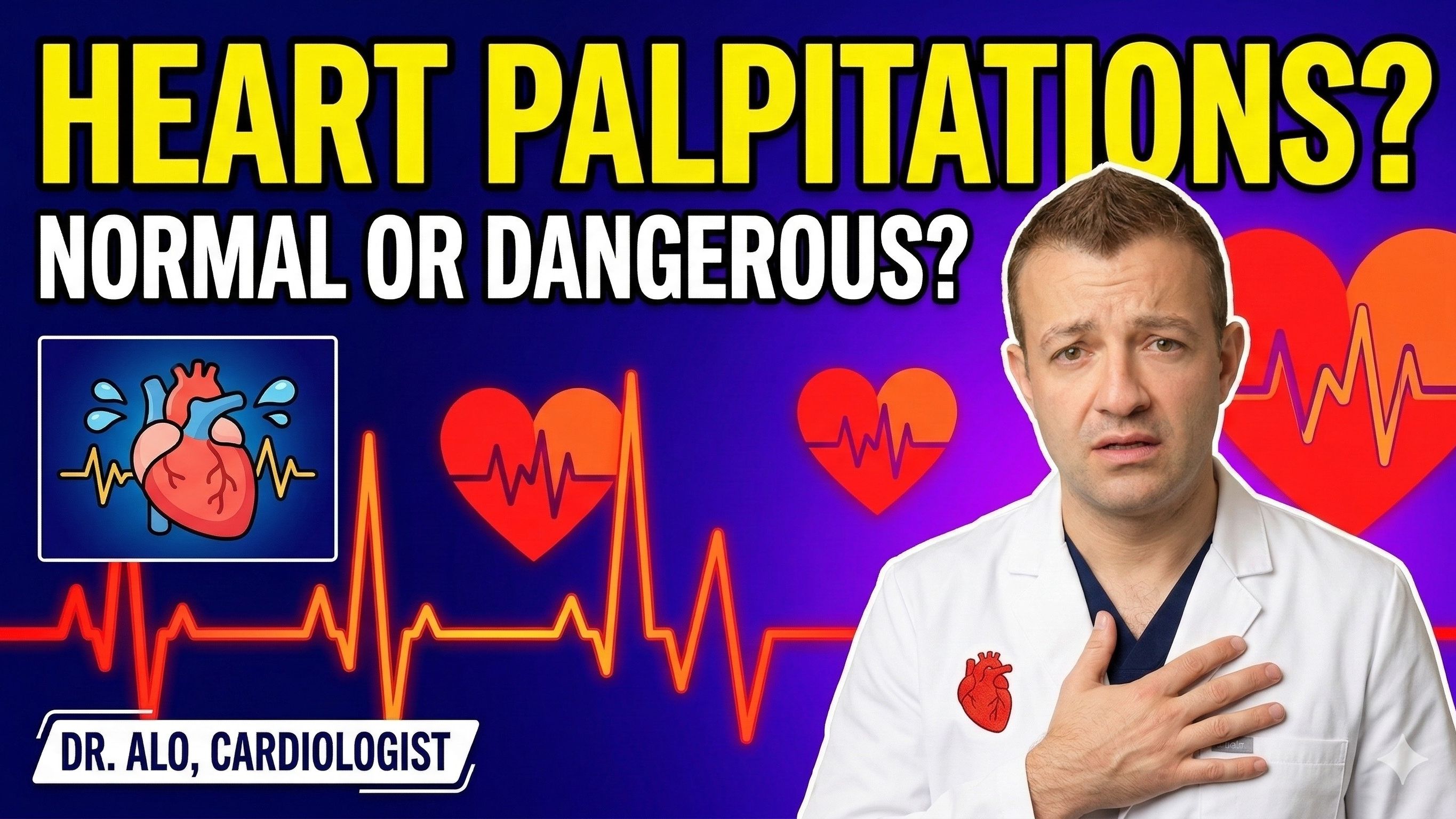
Understanding Heart Palpitations: A Guide for Patients
Palpitations are the uncomfortable feeling that you're aware of your own heartbeat. People describe them in different ways, a racing or fluttering heart, a pounding in your chest, feeling like your heart skipped a beat, or even a pounding sensation in your neck. If you've experienced palpitations, you're not alone. Up to 16% of people who visit their doctor report having them at some point.
While palpitations can feel alarming, the good news is that they're usually not dangerous. Most people who experience palpitations have a low risk of serious complications. However, they can affect your quality of life and may sometimes signal an underlying health issue that needs attention.
Types Of Heart Palpitations
PACs- Premature atrial contractions are early beats coming from the top chamber of the heart. These are usually benign, but should be followed closely. Usually, this is treated with medications like beta blockers.
PVCs- Premature ventricular contractions are early beats that come from the bottom chamber and are a bit more serious. You should see a cardiologist and get a full work up.
AFib- Atrial fibrillation is a disorganized rhythm that comes from the top chambers of the heart and needs to be treated because it can increase the risk of strokes. You should see a cardiologist.
Atrial Flutter- This is a rhythm that where the top two chambers are firing two to three times as often as they should be. It can be treated with medications like calcium channel blocker or an ablation.
SVT- Supraventricular tachycardia is a term that can encompass many different arrhythmias, but usually means you have something call AVNRT.
AVNRT- AV Nodal Reentrant Tachycardia is a rhythm that is a short circuit around the tricuspid valve. It's usually treated with medications first, and then an ablation if needed.
MAT- Multifocal Atrial Tachycardia is usually due to an underlying lung problem and is treated by treating the underlying lung disease.
WPW or AVRT- Wolf Parkinson's White or AV Reentrant Tachycardia is an arrhythmia that involves an extra electrical pathway on the left side of the heart in the left ventricle. In most cases, we just monitor this or use medications. In rare cases, where the heart is going too fast, we can do an ablation.
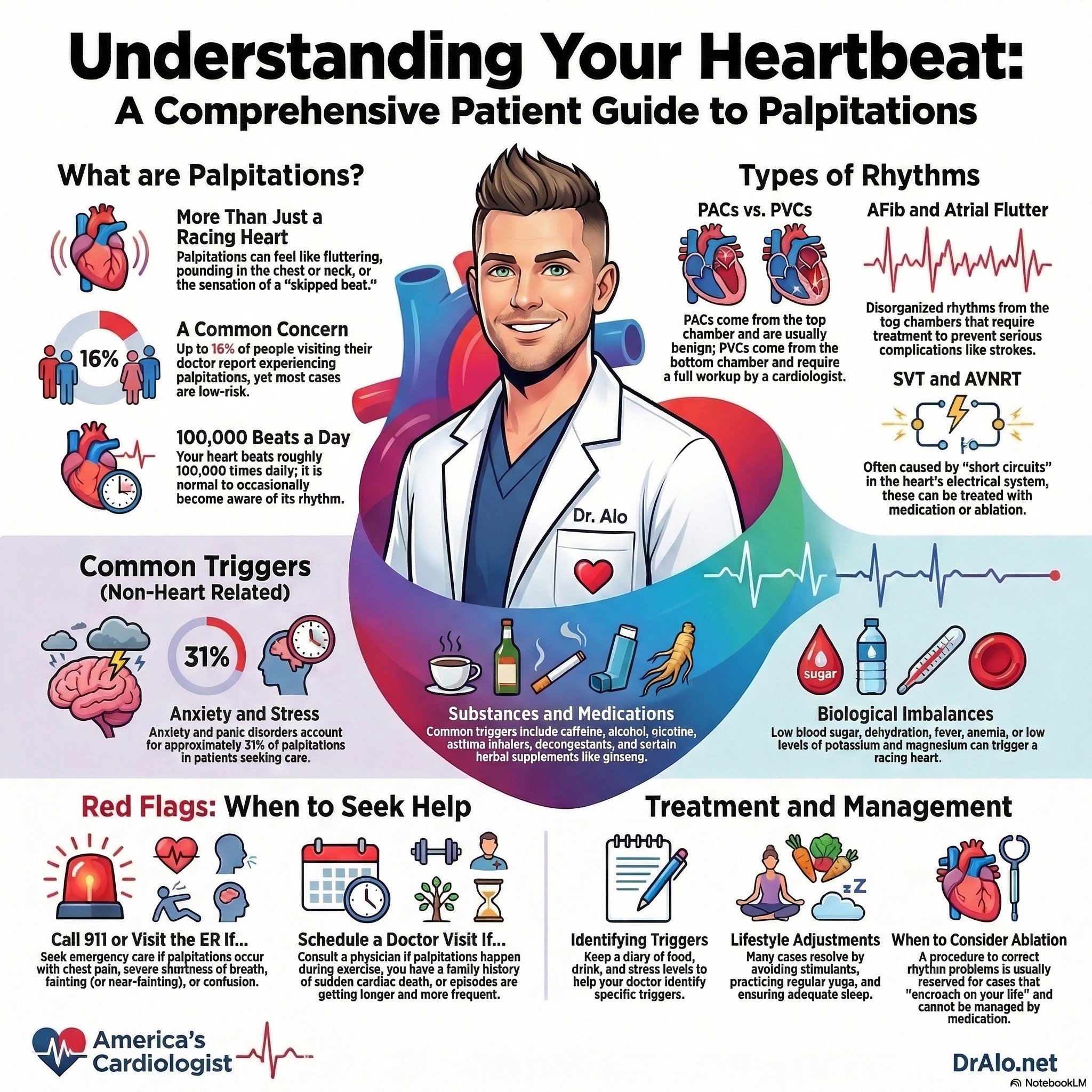
Palpitations Summary Infographic:
What Causes Palpitations?
Palpitations can happen for many different reasons. Understanding the cause can help you and your doctor decide on the best approach to managing them.
Heart-Related Causes
Sometimes palpitations are caused by changes in your heart's rhythm. The most common heart rhythm problem that causes palpitations is atrial fibrillation, where the upper chambers of your heart beat irregularly. Other rhythm problems include extra heartbeats (called premature contractions), which can feel like your heart is skipping or fluttering, or rapid heartbeats from various types of fast heart rhythms.
Palpitations can also occur with certain heart conditions like heart valve problems (such as mitral valve prolapse), heart failure, or structural abnormalities in the heart. Some people are born with electrical system problems in their heart that can cause palpitations.
Non-Heart Causes
Many palpitations have nothing to do with your heart's structure or electrical system. Common non-heart causes include:
- Anxiety and stress: Panic attacks, anxiety disorders, and high stress can all trigger palpitations. In fact, anxiety and panic disorders account for about 31% of palpitations in people seeking medical care.
- Thyroid problems: An overactive thyroid gland speeds up your metabolism and can make your heart race.
- Medications and substances: Caffeine, alcohol, nicotine, and many medications can cause palpitations. This includes prescription medications like asthma inhalers, decongestants, and some blood pressure medications. Illegal drugs like cocaine and amphetamines are also common triggers.
- Supplements: Some herbal supplements and energy drinks containing ingredients like ephedrine, ginseng, or bitter orange can cause palpitations.
- Low blood sugar or dehydration: When your blood sugar drops too low or you're dehydrated, your heart may beat faster to compensate.
- Electrolyte imbalances: Low levels of potassium, magnesium, or calcium can affect your heart rhythm.
- Fever or anemia: When you have a fever or are anemic, your heart works harder and beats faster, which you might feel as palpitations.
Sometimes, palpitations happen even when your heart is beating completely normally. In these cases, you're simply more aware of your heartbeat than usual, though doctors don't fully understand why this happens.
When Should You See a Doctor For Palpitations?
Most palpitations are harmless, but certain symptoms mean you should seek medical attention right away. Go to the emergency room or call 911 if you experience palpitations along with:
- Chest pain or pressure
- Severe shortness of breath
- Fainting or feeling like you're about to faint
- Dizziness or lightheadedness
- Confusion or decreased alertness
You should also see your doctor soon (though not necessarily in the emergency room) if you have:
- Palpitations that happen during exercise
- A family history of sudden cardiac death or heart rhythm problems
- Known heart disease or structural heart problems
- Palpitations that are new, getting worse, or happening more frequently
- Palpitations that last for several minutes or longer
On the other hand, if you have occasional palpitations that last only a few seconds, happen when you're stressed or anxious, and aren't accompanied by other symptoms, they're likely harmless. Still, it's worth mentioning them to your doctor at your next visit.
How Are Palpitations Diagnosed?
Your doctor will start by asking detailed questions about your palpitations: What do they feel like? How long do they last? What triggers them? Do you have other symptoms? They'll also ask about your medical history, medications, caffeine and alcohol use, and family history of heart problems.
Next comes a physical examination and usually an electrocardiogram (ECG or EKG), which records your heart's electrical activity on graph paper. These basic steps can identify the cause in about one-third of people with palpitations.
If the cause isn't clear, your doctor might recommend:
- Blood tests to check your thyroid function, blood count, and electrolyte levels
- Heart monitoring using a device you wear for 24 hours to several weeks that records your heart rhythm throughout the day
- An echocardiogram (ultrasound of your heart) to look at your heart's structure
- A stress test if your palpitations happen during exercise or they look suspicious for underlying blocked arteries
Modern technology has made monitoring easier. Many smartwatches and wearable devices can now detect irregular heart rhythms and may help you and your doctor figure out what's happening when you feel palpitations.
How Are Palpitations Treated?
Treatment depends entirely on what's causing your palpitations.
If No Heart Problem Is Found
Many people feel relieved just knowing their heart is healthy. If testing shows your heart is normal and you have no dangerous rhythm problems, you may not need any treatment. Your doctor might recommend:
- Avoiding triggers like caffeine, alcohol, chocolate, stimulants, or certain medications
- Managing stress through relaxation techniques, exercise, or counseling
- Treating underlying anxiety or panic disorder if present
- Regular yoga practice, which studies show can reduce palpitation episodes
If a Heart Rhythm Problem Is Found
For extra heartbeats (premature contractions) that are bothersome but not dangerous, medications called beta blockers or calcium channel blockers can help reduce symptoms. For more significant rhythm problems like atrial fibrillation or other fast heart rhythms, treatment options include:
- Medications to control heart rate or rhythm
- Procedures to correct the rhythm problem (called ablation)
- Treatment of underlying heart disease
If Another Medical Condition Is Found
If your palpitations are caused by thyroid problems, anemia, or other medical conditions, treating that condition usually resolves the palpitations.
Living With Palpitations
If you have palpitations, here are some practical tips:
- Keep a diary noting when palpitations occur, what you were doing, what you ate or drank, and how you were feeling. This can help identify triggers.
- Limit caffeine and alcohol, especially if you notice they trigger your symptoms.
- Stay hydrated and maintain a balanced diet.
- Get adequate sleep and manage stress.
- Don't stop taking prescribed medications without talking to your doctor first.
- If you have a wearable device that can record your heart rhythm, use it when you feel palpitations and share the recordings with your doctor.
When To Get An Ablation For Palpitations
If you had a stress test, an echocardiogram, and a holter monitor, and everything keeps coming back normal... and you still have palpitations... AND if the palpitations are encroaching on your life, then you can get an ablation (for certain palpitations). Not all palpitations resolves with ablations. Many can be treated with medications like beta blockers or anti arrhythmic medications. By encroaching on your life, we mean you can not function and they really bother you. You can't go to work, can't get out of bed, can't exercise.
When It's Actually Anxiety Causing Palpitations
If all else is normal, and you still have palpitations, sometimes it can be anxiety and a simple anxiety medication can help resolve the issue.
Palpitations Bottom Line
Palpitations are common and usually harmless, but they can sometimes signal a problem that needs attention. The key is knowing when to seek help. If you have warning signs like chest pain, fainting, or palpitations during exercise, get evaluated right away. For occasional palpitations without other symptoms, mention them to your doctor at your next visit. With proper evaluation, most people can be reassured that their palpitations are benign, and those who do have underlying problems can get appropriate treatment.
Remember, your heart beats about 100,000 times a day. It's not unusual to occasionally feel it working—and most of the time, that's perfectly normal.
References:
Raviele A, Giada F, Bergfeldt L, et al. Management of patients with palpitations: a position paper from the European Heart Rhythm Association. Europace. 2011;13(7):920-934. https://pubmed.ncbi.nlm.nih.gov/2169731
Thavendiranathan P, Bagai A, Khoo C, Dorian P, Choudhry NK. Does this patient with palpitations have a cardiac arrhythmia? JAMA. 2009;302(19):2135-2143. https://jamanetwork.com/journals/jama/fullarticle/184841
Barsky AJ, Cleary PD, Coeytaux RR, Ruskin JN. Psychiatric disorders in medical outpatients complaining of palpitations. Journal of General Internal Medicine. 1994;9(6):306-313. https://pubmed.ncbi.nlm.nih.gov/8077993
Wexler RK, Pleister A, Raman S. Outpatient approach to palpitations. American Family Physician. 2011;84(1):63-69. https://www.aafp.org/pubs/afp/issues/2011/0701/p63.html
Giada F, Gulizia M, Francese M, et al. Recurrent unexplained palpitations (RUP) study comparison of implantable loop recorder versus conventional diagnostic strategy. Journal of the American College of Cardiology. 2007;49(19):1951-1956. https://pubmed.ncbi.nlm.nih.gov/17498579
Raviele A, Giada F, Bergfeldt L, et al. Management of patients with palpitations: a position paper from the European Heart Rhythm Association. Europace. 2011;13(7):920-934. https://academic.oup.com/europace/article/13/7/920/522961
Perez MV, Mahaffey KW, Hedlin H, et al. Large-Scale Assessment of a Smartwatch to Identify Atrial Fibrillation. New England Journal of Medicine. 2019;381(20):1909-1917. https://www.nejm.org/doi/full/10.1056/NEJMoa1901183
Aydin MA, Salukhe TV, Wilke I, Willems S. Management and therapy of heart rhythm disorders: what role do complementary and alternative medicine have? Herz. 2012;37(5):550-560. https://pubmed.ncbi.nlm.nih.gov/22996287
Still Have Questions? Stop Googling and Ask Dr. Alo.
You’ve read the science, but applying it to your own life can be confusing. I created the Dr. Alo VIP Private Community to be a sanctuary away from social media noise.
Inside, you get:
-
Direct Access: I answer member questions personally 24/7/365.
-
Weekly Live Streams: Deep dives into your specific health challenges.
-
Vetted Science: No fads, just evidence-based cardiology and weight loss.
Don't leave your heart health to chance. Get the guidance you deserve. All this for less than 0.01% the cost of health insurance! You can cancel at anytime!
[👉 Join the Dr. Alo VIP Community Today]
Cardiology & Obesity Medicine