Statins, Cholesterol, And Your Brain
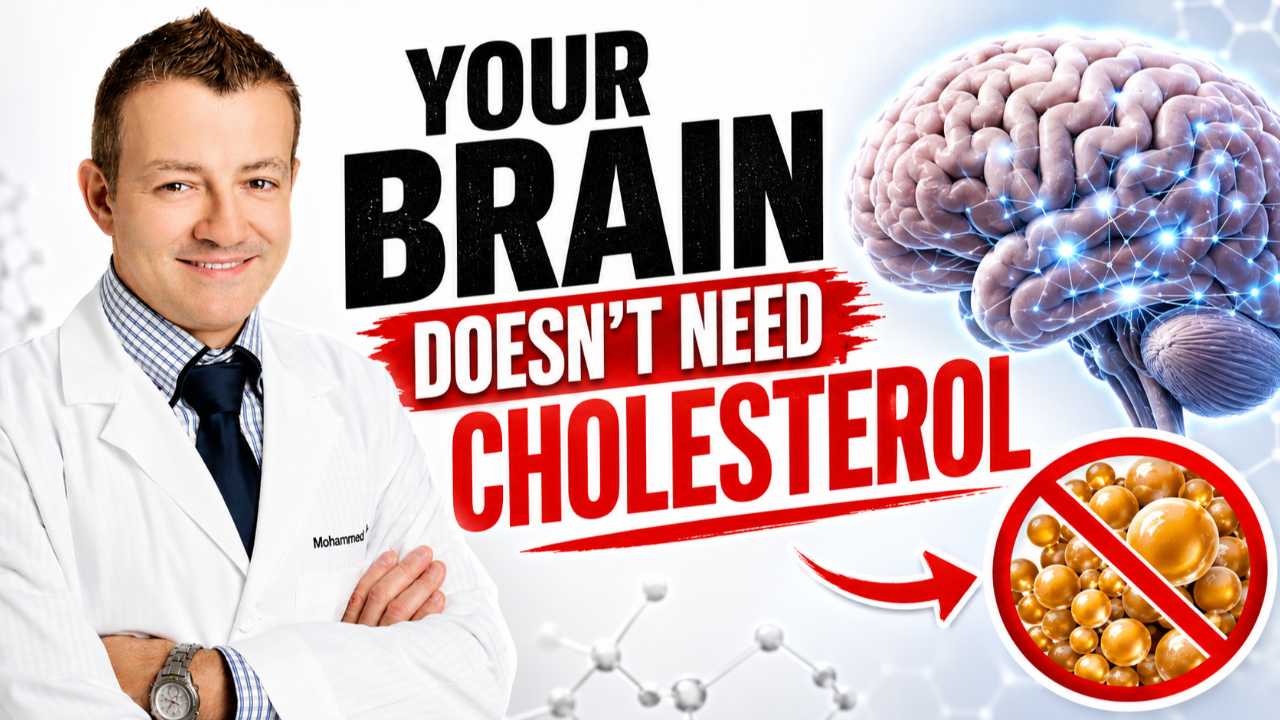
Your brain does not need circulating cholesterol. In fact, cholesterol circulating in your blood stream inside of lipoproteins can not get into your brain. Lipid lowering medications affect circulating cholesterol, not brain cholesterol. It's important to unders...
Intestinal Absorption of Cholesterol
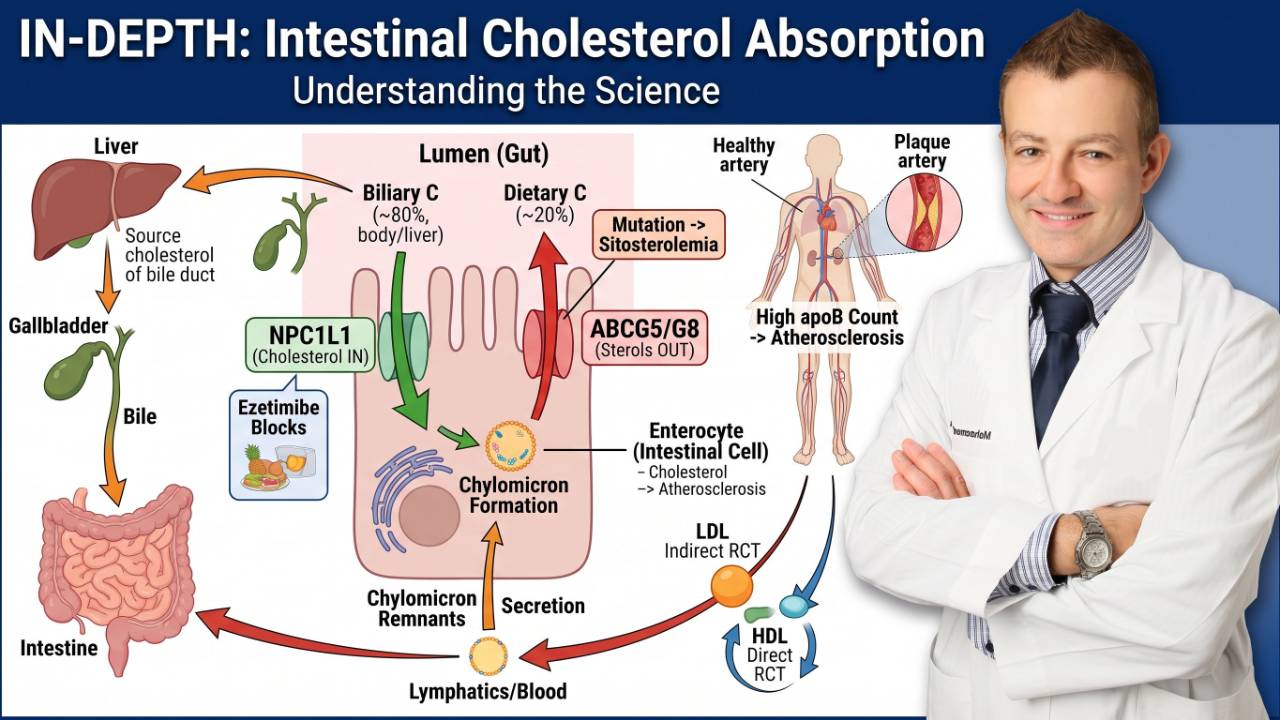
Having an overall understanding of lipid and lipoprotein metabolism is important to understanding how we arrive at cholesterol in our arteries and develop atherosclerosis.
The first step is cholesterol or fatty acids arriving inside your intestinal lumen. This ...
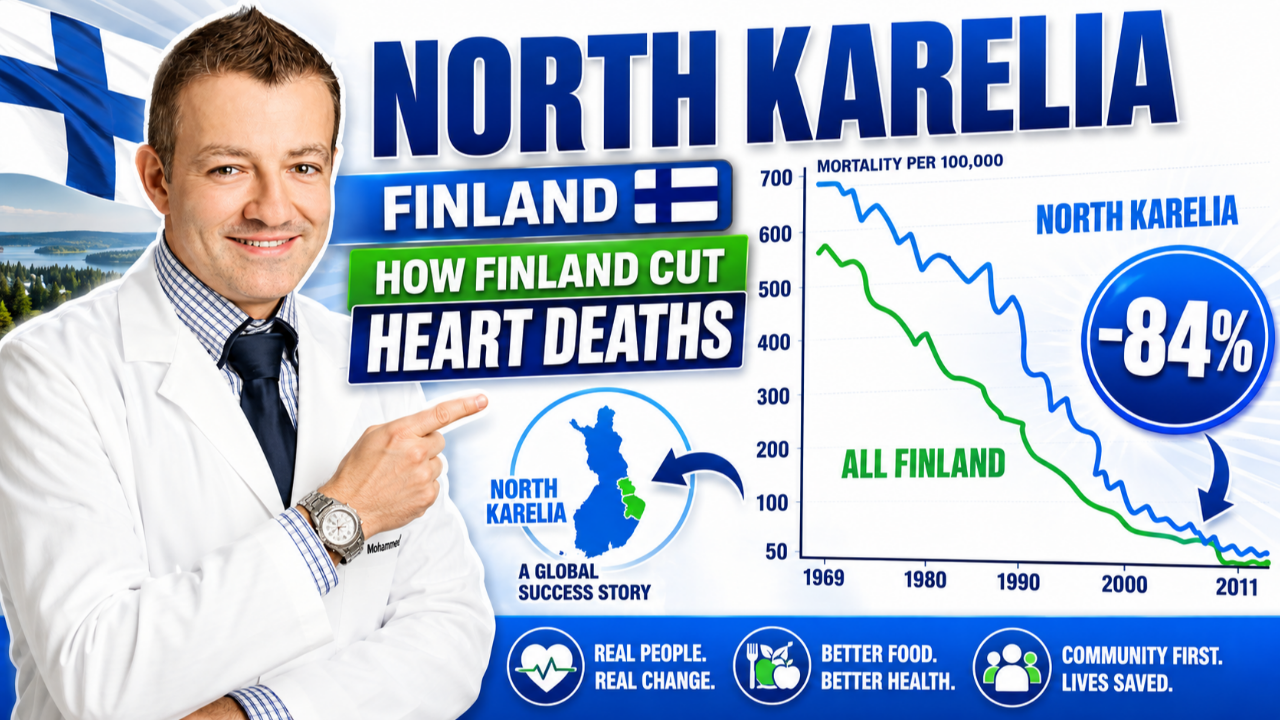
North Karelia Finland 84% Reduction In Death Rates
In a beautiful example of how dietary and lifestyle interventions work, the country of Finland was able to reduce cardiovascular mortality by 84% in North Karelia by making a few simple dietary and lifestyle changes.
The year was 1972. North Karel...
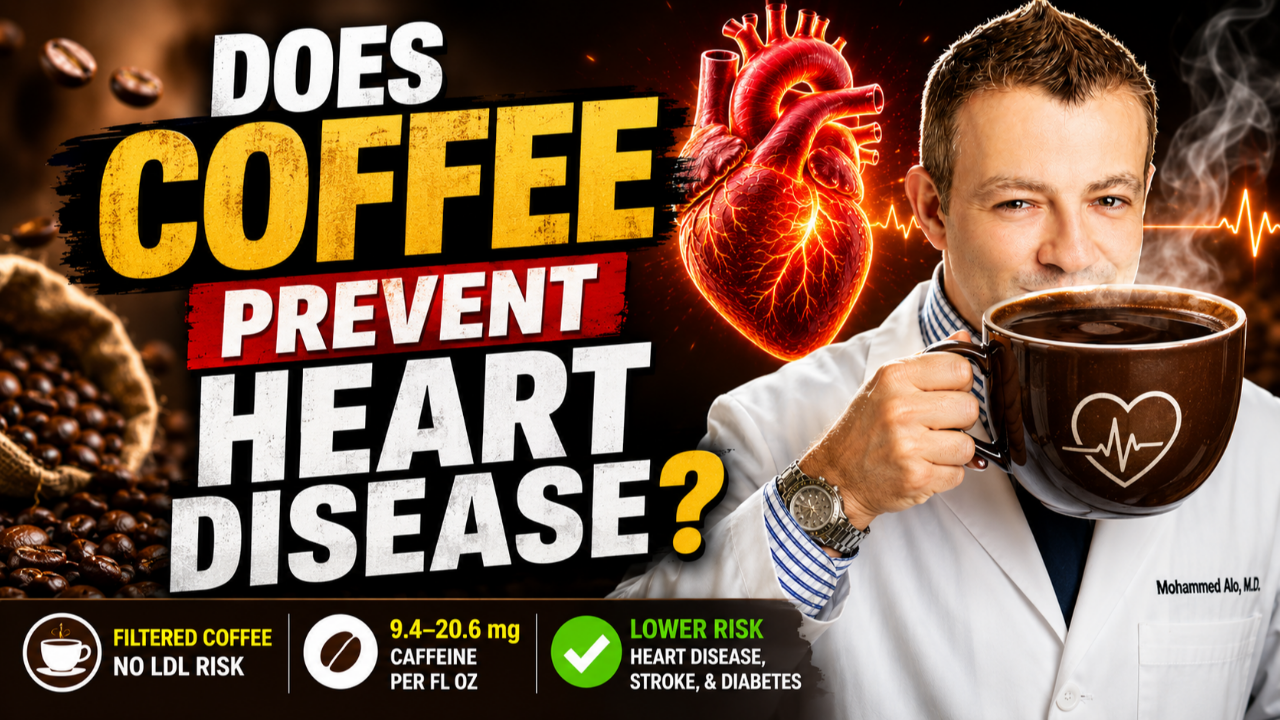
Your Morning Coffee and Your Heart: What the American Heart Association Actually Found
Caffeine is the most widely consumed drug on the planet, and most people drinking it have no idea what it does to their cardiovascular system. The American Heart Association just released a landmark scientific st...
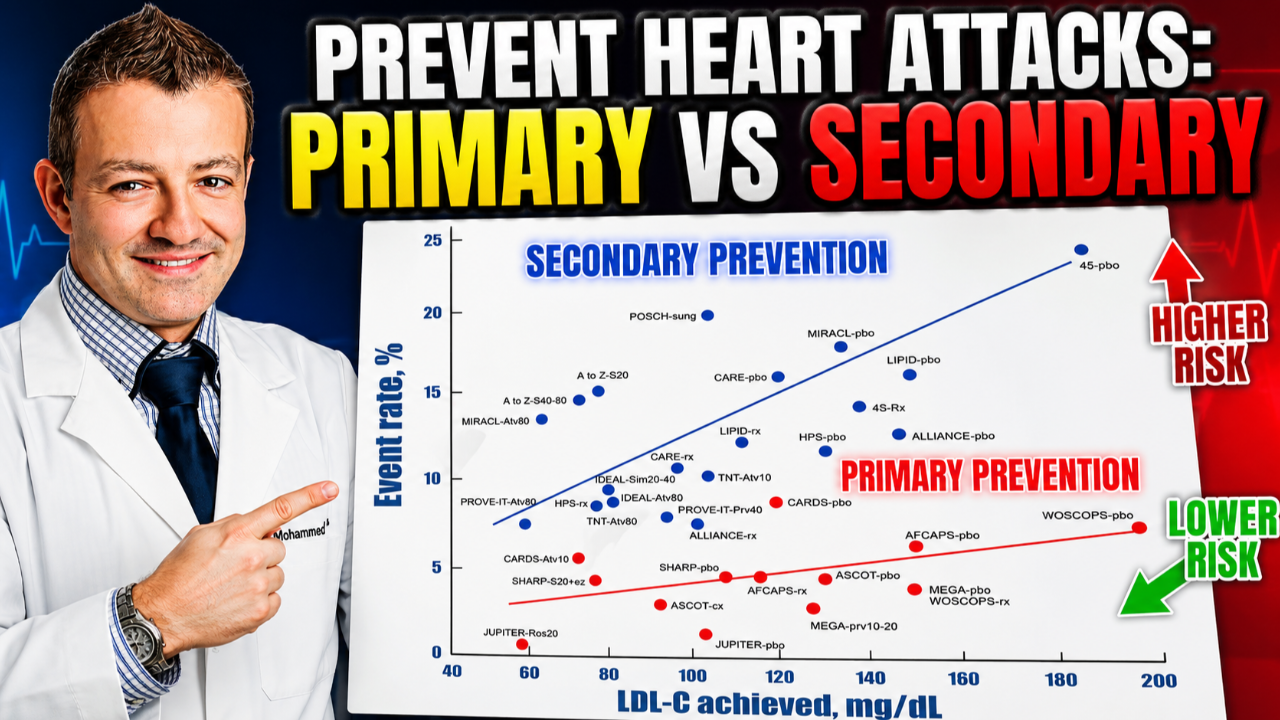
Four Types of Prevention and the Power of Lowering LDL
The old model of preventing heart disease had two categories. Modern cardiology has four, and knowing where you fall could change the course of your life.
Cardiovascular disease remains the leading cause of death worldwide, claiming nearly 18 ...
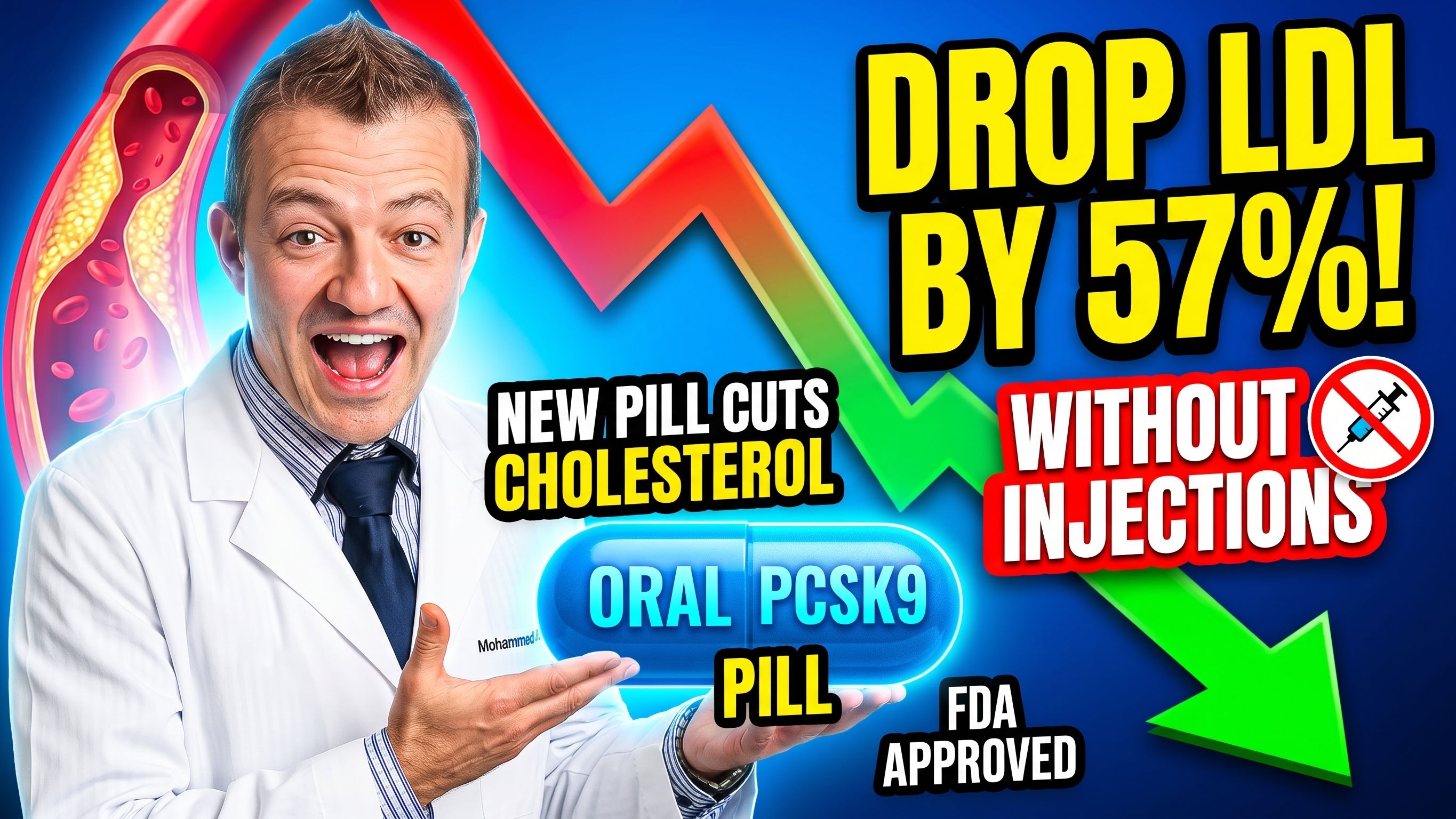
New Oral PCSK9 Breakthrough Enlicitide (Lipfendra)
A new oral PCSK9 inhibitor called enlicitide decanoate just produced results in a major randomized trial that rival injectable therapies, and the cardiovascular world needs to pay attention. High levels of low-density lipoprotein cholesterol (LDL-C...
Best Congestive Heart Failure Treatment: What the Evidence Shows
Congestive heart failure used to have an 80% five-year mortality rate. This means that in 5 years, 80% of those diagnosed with CHF would be dead. That is no longer the case. Modern medications and therapeutics have been able to add 9 ...
Ozempic Cuts Heart Attacks and Strokes by 20 Percent In Non Diabetics
I have been a huge proponent of GLP1 medications since they first hit the market in 2005. I also run a cardiometabolic, obesity, and weight loss clinic and jumped on the modern GLP1 medications early in 2019.
People think that ...
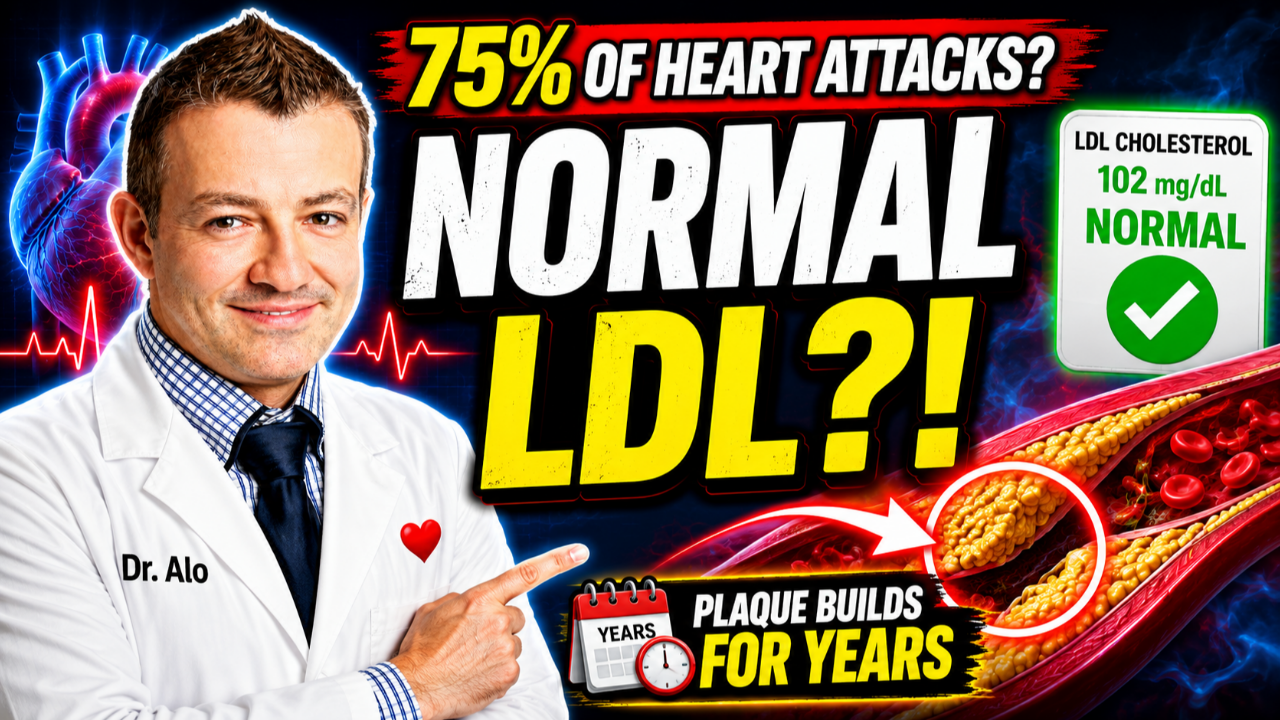
Why Most Heart Attacks Happen With Normal Cholesterol?
Every single day on social media, I get the same question: "Dr. Alo, if most people having heart attacks have normal cholesterol, then isn't cholesterol the real problem? Isn't it something else?" The answer is surprisingly simple, but online g...
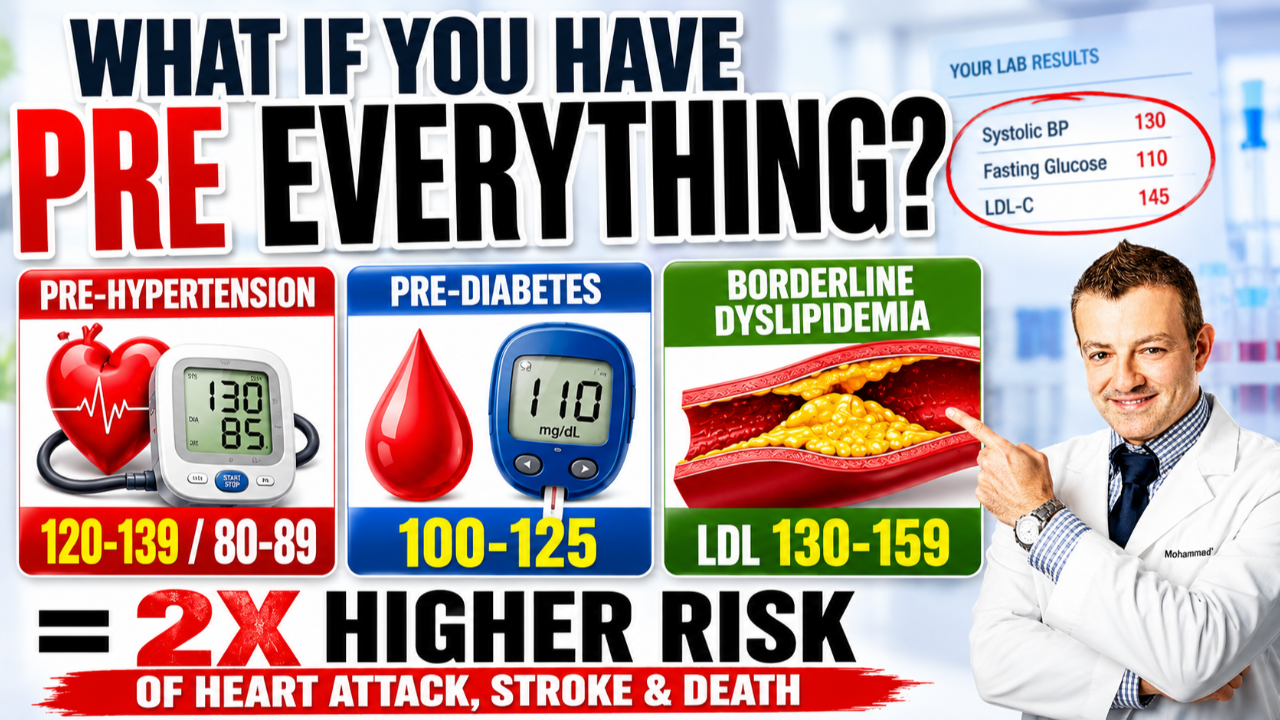
The Metabolic "Grey Zone" in Young Adults: Why You Shouldn't Wait
What if you have "Pre Everything"? Pre-diabetes, pre-hypertension, pre-dyslipidemia. What's your risk? Should you wait until it gets worse?
A groundbreaking Korean nationwide study just revealed something that should shake up how we...
Cardiology & Obesity Medicine



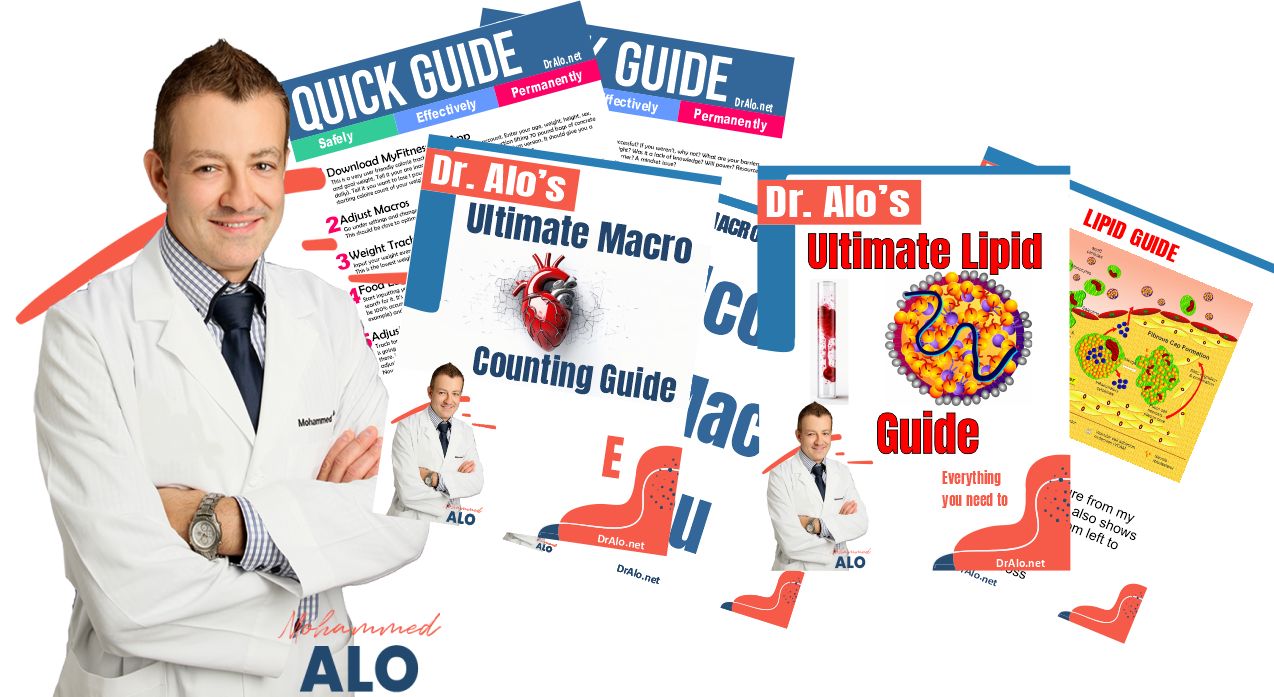
FREE Power of 3 Longevity Bundle
Grab My 5 Step Quick Guide for Weight Loss & My Ultimate Macro Counting Guide & My Ultimate Lipid Guide for FREE! Normally a $297 Bundle!
Everything you need to live a healthy life, live longer, and lose weight properly!
Most of my clients, friends, and patients lost all the weight they ever wanted with this bundle!
Don't worry, I never send spam!
Disclaimer:
This blog is for general informational, educational, and entertainment purposes only and does not constitute the practice of medicine, nursing or other professional health care services, including the giving of medical advice, and no doctor/patient relationship is formed. The use of information on this blog or materials linked from this blog is at the user's own risk. The content of this blog is not intended to be a substitute for professional medical advice, diagnosis, or treatment. Users should not disregard, or delay in obtaining, medical advice for any medical condition they may have, and should seek the assistance of their health care professionals for any such conditions. Dr. Alo and his subsidiaries can not be held responsible for any harm, deleterious effects, up to an including death form the information contained on this website and blog.