New 2026 Cholesterol Treatment Guidelines
Mar 13, 2026
2026 Cholesterol Guidelines, Explained in Plain English: What Changed, Who Needs Treatment, and What It Means for Real People
If you have ever been told your cholesterol is “a little high,” this new guideline matters to you.
They just released the new guidelines, and while it's a huge improvement, there are a few things I disagree with. Read below to learn about the new guidelines and where I disagree.
The new guidelines were 275 pages and 14 different flow charts and algorithms, here is the short version in plain English.
In 2026, the American College of Cardiology and American Heart Association released a major update on how doctors should evaluate and treat dyslipidemia. That word includes more than just high LDL cholesterol. It now more clearly includes high triglycerides and elevated lipoprotein(a), also called Lp(a). The guideline officially retires and replaces the 2018 cholesterol guideline, and it expands the conversation from “cholesterol only” to a broader view of all the blood fats and particles that raise cardiovascular risk.
It takes a more aggressive stance and doesn't wait until atherosclerosis (heart disease) is well established. It does not ignore elevated cholesterol for decades. The focus is on prevention, not correction later.
The big idea is simple: heart risk builds over time, and the earlier harmful particles are elevated, the more damage they can do. So the new guideline pushes clinicians to identify risk earlier, personalize treatment better, and use clearer treatment goals.
Dyslipidemia Summary Infographic:

The biggest shift: this is no longer just a “cholesterol” guideline
One of the most important changes is conceptual. The document is no longer called a blood cholesterol guideline. It is now a guideline on the management of dyslipidemia. That matters because it recognizes that cardiovascular risk does not come only from LDL. Triglyceride-rich particles, remnant particles, and Lp(a) also matter. The guideline also folds in newer medicines and newer risk tools that were not part of the 2018 version.
In plain English, the new message is this:
Your doctor should not look only at one cholesterol number. They should look at your whole risk picture.
The top take-home messages, translated into normal language
The guideline’s own “Top Take-Home Messages” make the new priorities very clear.
First, it says treatment should start earlier in life when risk is building, especially in people with familial hypercholesterolemia, very high LDL, or a strong family history of early heart disease. Second, it replaces the older Pooled Cohort Equations with the newer PREVENT equations for estimating 10-year and 30-year risk in many adults. Third, it brings back clearer LDL and non-HDL treatment goals. Fourth, it elevates apoB and Lp(a) testing as more useful parts of risk assessment. Fifth, it gives a larger role to coronary artery calcium, or CAC, scanning for people in whom the decision is not obvious. It also tightens treatment goals in secondary prevention and emphasizes that statins remain the foundation for high triglycerides when the goal is reducing heart risk.
That is the executive summary. Now let’s break it down.
I will give my opinions and editorial comments in RED below each section.
What is dyslipidemia?
Dyslipidemia means unhealthy levels of fats or fat-carrying particles in the blood. In this guideline, that includes elevated blood cholesterol, hypertriglyceridemia, and elevated Lp(a). It also reflects a broader understanding that atherosclerosis is driven by atherogenic lipoproteins, meaning particles that can get into artery walls and contribute to plaque buildup.
For most patients, the big players are:
- LDL-C, often called “bad cholesterol”
- non-HDL-C, which captures all the cholesterol carried by harmful particles, not just LDL
- triglycerides, especially when elevated for long periods or very high
- apoB, which is a particle count-like measure of the number of harmful particles
- Lp(a), a genetically influenced particle that raises inherited heart risk significantly
Why the guideline pushes earlier treatment
A major theme throughout the document is cumulative exposure. The longer your arteries are exposed to harmful lipoproteins, the more likely plaque is to build up. The guideline explicitly says clinicians should think about lifelong exposure, not just what is happening right now. It emphasizes starting health behavior counseling in youth and considering medication earlier in some young adults, particularly when LDL is high or family history is strong.
This is an important mindset change. A 35-year-old with “not terrible” numbers may still deserve serious attention if they have spent years accumulating risk.
Dr. Alo's Note: I mostly agree with this change. In the past, we used to ignore most patients until age 40 and by then, many already had plaque (or heart attack). Early aggressive treatment and counseling is better. We would like to prevent heart disease, not kick the can down the road and try to patch patients up afterwards.
However, I would have liked to see the age moved even younger. We should start treatment by age 20. If a patient has an LDL-C of 135, or even 150, by age 20, why would you wait until age 30 to finally institute treatment? That's an additional 1350 to 1500 mg years of exposure to high LDL cholesterol. It's exposure to high LDL-C over years that matters the most. If you multiply your age by your LDL cholesterol, that is your "milligram years" of exposure. Studies have shows that plaque starts to build at mg years of around 2500. By 5000 mg years, everyone has plaque. If you are 40 years old and have an LDL-C of 125 mg/dL, and multiply those two numbers, you are at 5000 mg years. You have extensive plaque at this point. We need to be more aggressive. There is no reason in 2026 that we should be waiting until age 30 to start treatment when lifestyle modifications fail to lower LDL cholesterol. Atherosclerosis usually begins in your teenage years. See the article on Cholesterol Years.
The new risk calculator: PREVENT replaces the older PCE approach
One of the most important updates is the move to the AHA PREVENT equations instead of the older Pooled Cohort Equations for many adults in primary prevention. The guideline recommends using PREVENT in adults age 30 to 79 who do not already have ASCVD or known subclinical atherosclerosis and whose LDL is 70 to 189 mg/dL. It sorts people into these 10-year risk groups: low, less than 3%; borderline, 3% to less than 5%; intermediate, 5% to less than 10%; and high, 10% or greater.
The guideline describes a “CPR” approach:
- Calculate risk
- Personalize the estimate based on things the calculator misses
- Reclassify if needed using tools like CAC scoring, then reassess treatment options
In plain English, the calculator is just the starting point. A good clinician is supposed to adjust the plan based on the person sitting in front of them.
Dr. Alo's Note: I agree that the Pooled Cohort Equation is outdated and under classifies peoples' risk. So many patients are told that they are low risk, when they are in fact high risk. Another issue with the PCE was that it was a 10 year calculator. ASCVD is a 30-80 year disease. Why should we only care if you are going to have a cardiovascular event in the next 10 years. What happens in year 12? The new PREVENT calculator is better and gives you a 10 and 30 year risk assessment. I still think the PREVENT calculator under estimates risk considerably, but it's probably a much better starting place for most clinicians.
I think we should make this even simpler and use just LDL cholesterol cutoffs. For example, if your LDL cholesterol is over 100, you need to institute dietary changes to lower it and start treatment, if lifestyle measures don't work.
I also don't agree that we should stop treating cholesterol at age 79. There are many studies that have shown extensive cardiovascular risk reduction even if treatment was started at age 80 and even 85. See my posts and research on starting statins in the elderly.
LDL goals are back in a bigger way
One of the most practical changes is that the guidelines don't rely only on “percent reduction” anymore. It brings back clear LDL-C and non-HDL-C goals. It still cares about percentage lowering, but now goals matter again.
For example, in primary prevention, patients at borderline or intermediate risk who start statins may be treated toward LDL-C under 100 mg/dL and non-HDL-C under 130 mg/dL. High-risk primary prevention patients may be treated toward LDL-C under 70 mg/dL and non-HDL-C under 100 mg/dL. In secondary prevention, many patients with established ASCVD, especially those at very high risk, now have a goal LDL-C under 55 mg/dL and non-HDL-C under 85 mg/dL.
This is a major practical shift because it gives patients and clinicians more concrete targets.
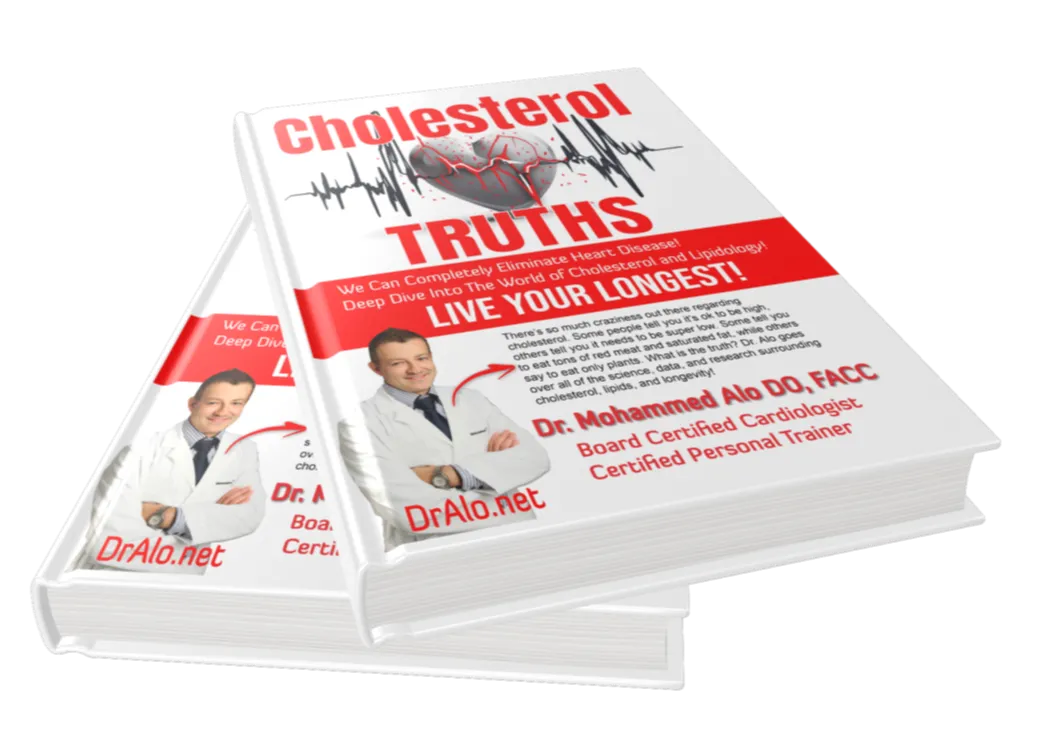
Dr. Alo's Note: These new goals match up with what I published three years ago in my lipidology textbook, Cholesterol TRUTHS. The European guidelines have also officially adopted my recommendations three months ago at the European Atherosclerotic Society conference, and now the American College of Cardiology and American Heart Association have adopted my same recommendations. Sometimes it can take a few years for the guidelines to catch up to the science.
I would add one more very high risk category for those who have repeat cardiovascular events or have lipoprotein a (Lp(a)), their LDL target should be < 40 mg/dL or non-HDL-C < 55 mg/dL.
I still feel we need to be more aggressive and recommend earlier and more aggressive therapy. See my guidelines for more.
ApoB is no longer a niche test
The guideline gives apoB a much bigger role than many patients and even some clinicians may be used to. This is a welcome change.
ApoB is important because it reflects the number of harmful particles, not just how much cholesterol they carry. That distinction matters because some people have LDL-C that looks “at goal,” but they still have too many artery-clogging particles. The guideline says apoB can be reasonable in untreated adults to improve risk assessment, and especially useful in adults already on lipid-lowering therapy, particularly those with ASCVD, diabetes, CKM syndrome, or elevated triglycerides, to help decide whether treatment should be intensified after LDL and non-HDL goals are reached.
In plain English, apoB helps answer a question many standard lipid panels miss: “Are we really done treating this person, or is hidden residual risk still there?”
Dr. Alo's Note: Now that apoB has been added to the guidelines, more insurances may pay for this test. This is especially important to follow when LDL-C levels are very low. Very low LDL-C levels are not accurate due to the Friedewald equation. When LDL-C is below 25 mg/dL, you can stop checking lipid panels, and follow only apoB, assuming they don't have a triglyceride problem. If they have hypertriglyceridemia, then you will still need a fasting lipid panel. ApoB measures all atherogenic particles and correlates with heart disease more than LDL-C alone. Read up about LDL Cholesterol.
Lp(a) becomes mainstream: adults should have it checked at least once
This is one of the most important patient-facing changes in the whole guideline.
The new recommendation is that all adults should have Lp(a) measured at least once for risk assessment. The guideline also recommends cascade testing in first-degree relatives when there is familial hypercholesterolemia, premature ASCVD, or known high Lp(a).
Why? Because Lp(a) is largely genetic, mostly stable over time, and strongly tied to higher heart risk. The document notes that a level of 125 nmol/L, or 50 mg/dL, is considered high and is associated with roughly a 40% relative increase in ASCVD risk, while 250 nmol/L, or 100 mg/dL, is associated with about double the risk. On page 16, the guideline’s risk table shows that very high Lp(a) can raise risk to a degree similar to heterozygous familial hypercholesterolemia. In other studies, we have found that Lp(a) can increase risk 3 to 6 times higher.
Lipoprotein a also causes calcific aortic calve disease and can cause severe aortic stenosis. It's very important to check a lipoprotein a on patients with aortic stenosis.
In real life, that means many people who think they have “normal cholesterol” may still carry inherited cardiovascular risk that has been invisible for years. These are people who may end up with herat disease but have "normal cholesterol".
The guideline’s plain recommendation for people with elevated Lp(a) is not yet “take an Lp(a)-specific drug,” because those therapies are still evolving. Instead, it says to control all the other modifiable risk factors early and aggressively. In people with clinical ASCVD and high Lp(a) who have not reached LDL and non-HDL goals on statins, adding a PCSK9 monoclonal antibody is recommended.
Dr. Alo's Note: This is also a welcome addition and insurance should start paying for an Lp(a) screening test. Approximately, 25% of the population has this genetic mutation, but only 0.1% of the population ever gets tested for this. Although, we can not reduce Lp(a) directly, knowing that a patient has this allows us to test the rest of their family (cascade screening) and allows us to treat their LDL-C to below 40 mg/dL. Once medications are available to treat Lp(a), we can place patients on these meds. A guideline update would be needed at that point in time. There are several medications being developed. You can use a PCSK9 inhibitor to help lower LDL-C to very low levels. PCSK9 inhibitors do lower Lp(a) by about 28%, although they are not approved nor indicated for that.
Coronary calcium scoring gets a larger role
Unfortunately, CAC scoring plays a much bigger role in the 2026 guideline than many people realize.
The document recommends using CAC when a patient is in an intermediate-risk group, or selected borderline-risk group, and the decision about treatment is still uncertain. It says CAC should be used to help decide whether to withhold, postpone, or start therapy. If CAC is zero and there are no higher-risk conditions, treatment can sometimes be deferred with repeat CAC in 3 to 7 years. But if CAC is above zero, especially 100 or more Agatston units or at or above the 75th percentile, lipid-lowering therapy is recommended.
The guideline also gives serious weight to incidental CAC found on non-cardiac CT scans. In other words, if calcium shows up on a lung scan or another chest CT, that should not be ignored. The presence of coronary atherosclerosis should be considered when making treatment decisions.
That is a major real-world update because many patients learn about plaque from scans that were never ordered to evaluate the heart.
Dr. Alo's Note: T disagree with this. We do not need calcium scoring to decide on treatment. I personally don't think we should wait until someone has "imaging proven atherosclerosis" to start treatment. I believe in prevention. Calcium in your coronary arteries is a late stage finding. You wouldn't wait until you have lung cancer to stop smoking. I feel the same way about calcium. Why wait until you have heart disease? You could have prevented this decades earlier. My thresholds for CAC is that any number above 0 and you have proven ASCVD and my LDL-C target is < 55 mg/dL. You can aim for < 40 mg/dL if someone's CAC in over 1000. Between 300 and 1000, I would probably still want my patients below 55 mg/dL, but you could argue for < 40 mg/dL. Read my article on Coronary Calcium and CAC to understand more about this.
Screening starts earlier and gets broader
The guideline recommends lipid screening in adults starting at age 19 and at least every 5 years after that, with more frequent screening for people with additional risk factors. In children age 9 to 11 who have not already been tested, it recommends a lipid profile to help detect familial hypercholesterolemia and other significant disorders. It also supports earlier cascade screening, starting as young as age 2, in children with a family history of premature ASCVD, severe hypercholesterolemia, or FH.
This is not just paperwork. It reflects the idea that silent, decades-long exposure matters.
Dr. Alo's Note: I agree with these recommendations. Children of a parent with severe dyslipidemia or any form of familial hypercholesterolemia should be screened before age 2. The rest can be screened by age 9 or 10.
Standard lipid testing changed in a subtle but important way
The guideline recommends a standard fasting or non-fasting lipid profile for most people. But it also updates how LDL should be estimated. It prefers the Martin/Hopkins or Sampson/NIH equations over the older Friedewald equation because they are more accurate, especially at low LDL or higher triglycerides. It also recommends routine reporting of non-HDL-C, and it explicitly says routine advanced lipoprotein subclass testing is not recommended for general risk assessment.
For patients, the translation is this: the lab math matters. The new guideline wants more accurate LDL estimates, especially when treatment decisions are close.
Dr. Alo's Note: The other calculations of LDL-C are a bit more accurate, especially at extremes of LDL-C. Here is where apoB can play a role. If LDL-C is below 25, you can follow only apoB going forward. I also agree that you do not need lipoprotein NMR with all the various particle counts, sizes, and patterns. If you have an LDL-C, non-HDL-C, Lp(a), and apoB, you don't need anything else to know risk.
Lifestyle still matters, but the recommendations are sharper
The guideline strongly reinforces lifelong lifestyle management. It emphasizes healthy diet, regular exercise, healthy weight, good sleep, stress management, and avoiding tobacco. It treats these as core therapy, not optional extras.
For LDL problems, it recommends a diet centered on fruits, vegetables, nuts, legumes, whole grains, and fiber while replacing saturated and trans fats with monounsaturated and polyunsaturated fats. That means less butter, fatty red meat, and tropical oils, and more olive oil, nuts, seeds, fish, and plant-forward eating patterns.
For high triglycerides, the diet advice becomes more specific and more urgent. The guideline recommends cutting added sugar, refined carbohydrates, and saturated fat, minimizing or eliminating alcohol depending on triglyceride level, and using more intensive fat restriction in severe cases. It also emphasizes weight loss and physical activity. In highly responsive people, lifestyle change can lower triglycerides dramatically.
Dr. Alo's Note: I agree with these diet recommendations and they fit withing the new 2026 Dietary Guidelines that I published because the new FDA dietary guidelines were not adequate. Triglyceride treatments needs to be aggressive, but not necessarily with medications. I agree that we should start with dietary changes. We also should reduce calories in general and aim for weight loss in the case of obese patients. Using many of today's weight loss medications can significantly reduce triglycerides. See the paper I have published on this showing new modalities in treating triglycerides. Also, make sure to treat diabetes more aggressively, as that will lower triglycerides significantly. Use the newer diabetes guideline directed medical therapy; lifestyle, metformin, SGLT2i, and GLP1 RAs.
A major consumer-health takeaway: dietary supplements are not recommended for lipid lowering
This is one of the clearest “plain English” recommendations in the document.
The guideline says dietary supplements are not recommended to lower LDL or triglycerides because evidence is limited, inconsistent, or unimpressive. That includes many popular products marketed for “heart health.” It specifically notes that nonprescription fish oil products have not shown clinical benefit for patients with hypertriglyceridemia or ASCVD, and some may even increase LDL-C or atrial fibrillation risk. It also cites the SPORT trial, where rosuvastatin lowered LDL far more effectively than commonly used supplements, while the supplements did not significantly reduce LDL compared with placebo.
For normal people, the translation is blunt: supplements are not a substitute for proven therapy.
Dr. Alo's Note: I've cited the Cleveland Clinic's SPORT trial in all my videos and publications. There are NO DIETARY SUPPLEMENTS that reduce LDL cholesterol or cardiovascular risk in any meaningful way. Any improvement in symptoms or numbers is due to the margin or error or the placebo effect.
Registered dietitians get a bigger role
Another practical change is that the guideline becomes more explicit about when to refer to a registered dietitian nutritionist.
Referral is recommended for people with triglycerides at or above 1000 mg/dL because the dietary management becomes complex and pancreatitis risk becomes serious. Referral is also considered beneficial for people with triglycerides between 150 and 999 mg/dL who have features of CKM syndrome. The guideline notes that dietitian-led medical nutrition therapy can improve lipid levels and may even lower healthcare costs by reducing medication burden.
This matters because many patients are told to “eat better” without ever being given expert help.
Dr. Alo's Note: This is especially important, as physicians are asked to see more patients and spend less time with each patient. We need to refer patients to the correct specialists to help them. I would even add certified personal trainers, and other healthcare adjacent specialists.
Primary prevention: who should start treatment before having a heart event?
The new guideline is more willing to consider treatment earlier.
For adults at low risk under PREVENT, lifestyle is still the main recommendation, especially if LDL is below 160 mg/dL. But if LDL is 160 to 189 mg/dL, or 30-year risk is high in younger adults, moderate-intensity statin therapy becomes a reasonable option. In borderline risk patients, statins can be considered after a clinician-patient discussion. In intermediate risk patients, at least a moderate-intensity statin is recommended, and in the higher end of that risk range, a high-intensity statin can be beneficial. In high-risk primary prevention, high-intensity statin therapy is recommended, and ezetimibe can be added if goals are not reached.
This is more proactive than older “wait and see” mindsets.
Dr. Alo's Note: Here is where I disagree vehemently with the guidelines. It will take several years (and several million lives lost) for the guidelines to catch up to reality and the science. Heart disease can be completely eliminated if we wanted to eliminate it. It's 2026. There is no reason for people to be walking around with and LDL cholesterol of 160 mg/dL. The PESA trial showed that 64% of healthy, young people with and LDL-C of 150 mg/dL had subclinical ASCVD in more than one arterial bed. That's a crime!
I do not recommend anyone have an LDL-C over 100 mg/dL. If you have one single risk factor, like male sex, then your target should be under 70 mg/dL. Other risk factors are male over 45, female over 55, hypertension, obesity, diabetes, sedentary, obesity, family history of heart disease, being male sex, lack of fruit and vegetables in the diet, smoking, and social determinants of health. If you have any one of these (most of us do), your LDL-C should be under 70 mg/dL.
We know from the PESA trial, JUPITER trial, and many others, that most people with an LDL-C over 55 mg/dL (~60 mg/dL) are building plaque. In my opinion, no one should have an LDL-C over 60 mg/dL for a very prolonged period of time. For reference, my LDL-C and apoB are 41 and 44, usually.
VESALIUS-CV challenges the primary prevention framework. The trial suggests that high-risk primary prevention patients, particularly those with diabetes, may benefit from the same aggressive LDL-C lowering (down to 40 to 55 mg/dL) that was previously reserved for patients who had already suffered a heart attack or stroke. The data imply that the biology of atherosclerosis does not care whether a patient has had a prior event; what matters is the cumulative exposure of arteries to LDL-C over time.
Severe hypercholesterolemia and familial hypercholesterolemia get more aggressive treatment
Patients with LDL of 190 mg/dL or higher remain a special group, but the management is more detailed than before.
The guideline says standard general-population risk calculators should not be used for heterozygous familial hypercholesterolemia (FH) and should be treated regardless of what the risk calculators spit out. It supports genetic testing in selected patients with severe hypercholesterolemia to help identify FH and better define risk. It also recommends adding non-statin therapies such as ezetimibe, PCSK9 monoclonal antibodies, and/or bempedoic acid when maximally tolerated statins are not enough, with treatment goals depending on whether the patient has ASCVD, HeFH, or additional risk factors.
In the highest-risk severe hypercholesterolemia patients, inclisiran and even evinacumab enter the conversation.
Dr. Alo's Note: I would disagree here as well. If your LDL-C is over 150 mg/dL, you should be treated regardless of what any calculator shows. Again, in 2026, there is no reason to be walking around with such high numbers. I agree that the official definition of FH is LDL-C of over 190 mg/dL, but I would be very aggressive with people over 150 mg/dL. If you have FH as defined above with an LDL-C over 190 mg/dL, I would want your target LDL-C to be less than 60 mg/dL going forward. Unfortunately, by the time most people realize they have FH, they have been untreated for decades and we need to reduce that "cholesterol years" burden quickly.
I would also add ezetimibe or PCSK9 right away and not wait to see what the maximally tolerated statin dose does by itself.
Diabetes, CKD, HIV, cancer survivors, and pregnancy are given more explicit guidance
The guideline expands practical advice for several groups who often fall through the cracks.
For adults age 40 to 75 with diabetes and no ASCVD, statin therapy is indicated regardless of LDL level, with moderate intensity as baseline and high intensity for higher-risk individuals, along with LDL and non-HDL goals.
For adults with CKD stage 3 or higher and clinical ASCVD, the guideline recommends intensive LDL lowering to very low targets. For people living with HIV age 40 to 75 on stable antiretroviral therapy, statin therapy is recommended to reduce first ASCVD events and slow coronary plaque progression. Adult cancer survivors with at least two years of life expectancy should generally be treated similarly to people without a cancer history if they otherwise qualify for therapy. Pregnant patients with severe hypertriglyceridemia may, in selected cases, use fibrates after the first trimester or high-dose omega-3 ethyl esters as adjuncts to lifestyle management to reduce pancreatitis risk.
This is a more inclusive and more real-world guideline.
Dr. Alo's Note: These higher risk patients do need to be treated more aggressively on an individual basis. Most diabetic patients need LDL-C below 70 mg/dL if they are otherwise healthy. Obviously, if they have had an atherosclerotic events, they need to be < 55 mg/dL. If they have multiple risk factors, which I listed above, you can argue that they need to be < 55 mg/dL even without having had a cardiovascular event. I would also lower the age for treatment. Why wait until someone is over 40 years old? This does not make any sense. Treat earlier and more aggressively.
Secondary prevention: the LDL target is now much lower for many people
For patients who already have ASCVD, this guideline is tougher.
If a patient has clinical ASCVD and is not at very high risk, high-intensity statin therapy is still recommended, but the treatment goal is more concrete: LDL-C under 70 mg/dL and non-HDL-C under 100 mg/dL. If the patient is at very high risk, the goal becomes LDL-C under 55 mg/dL and non-HDL-C under 85 mg/dL, and the guideline recommends adding ezetimibe and/or a PCSK9 monoclonal antibody, with bempedoic acid and inclisiran as additional options in selected situations.
That is a clear message: after a heart attack, stroke, or other ASCVD event, the guideline wants LDL driven down harder than many patients saw in prior years.
Dr. Alo's Note: I disagree here with the guidelines. If a patient already had a cardiovascular event, their LDL-C needs to be under 55 mg/dL regardless of whether you think they are low or high risk. There is no scenario where 70 mg/dL should be your target. This also makes the guidelines more complicated and harder to follow.
Subclinical plaque now triggers more action
Patients with significant CAC, even without prior clinical ASCVD, are treated more seriously than before in the new guidelines.
The guideline recommends therapy based on CAC burden. For CAC 100 to 299, or at or above the 75th percentile, treatment is recommended to reach LDL under 70 mg/dL and non-HDL under 100 mg/dL. For CAC 300 to 999, the same goals apply, and therapy intensification toward LDL under 55 mg/dL becomes reasonable. For CAC 1000 or more, the guideline recommends very aggressive LDL lowering with at least 50% reduction and a goal LDL under 55 mg/dL.
This is one reason CAC will likely become an even more powerful tool in preventive cardiology.
Dr. Alo's Note: I disagree with the suggested targets and recommendations. If you have any amount of calcium, you should be treated very aggressively. You already have ACSVD, your LDL-C goal should be less than 55 mg/dL. There should not be a scenario where below 70 mg/dL is recommended. If your CAC is over 1000, your LDL-C target should be even lower, see my discussion on CAC above. If you have calcium, your body has demonstrated a propensity to build plaque. You want your LDL below 55 mg/dL to stop the plaquing and if your CAC is high, you can argue for LDL-C below 40 mg/dL.
You can also detect subclinical ASCVD using a carotid doppler. If they have mild plaque in their carotid arteries, they need to be treated aggressively because they already have ASCVD. The treatment goal should be < 55 mg/dL.
Hypertriglyceridemia: statins first for heart risk, other drugs for pancreatitis risk
The guideline treats triglycerides more carefully and more specifically than many older summaries did.
For severe hypertriglyceridemia, especially 500 mg/dL and above, treatment is aimed not just at heart risk but also at preventing pancreatitis. Statins remain first-line for ASCVD risk reduction, even though fibrates and prescription omega-3s may lower triglycerides more. The guideline notes that non-HDL-C and apoB are better treatment targets than LDL alone in many people with high triglycerides. It also says fibrates and niacin are not recommended as routine add-ons to statins for ASCVD event reduction, because outcomes data do not support that strategy. Icosapent ethyl is the key exception: it has cardiovascular outcomes evidence in appropriate high-risk patients on statins.
For familial chylomicronemia syndrome with very high triglycerides, the guideline recommends olezarsen as an adjunct to diet to lower triglycerides and reduce pancreatitis risk.
Dr. Alo's Note: While this is an improvement, I find that my approach to treating severe hypertriglyceridemia is much better. See my discussion above. I agree that statins should be used first line. I also agree with previous diet recommendations listed in the previous discussion. Untreated, or poorly treated diabetes, and obesity need to be treated aggressively. Cessation of alcohol should also be higher on the list. See my paper on treating severe hypertriglyceridemia. Fibrates and prescription EPA have minimal effect on triglycerides and outcomes. See my Fish Oil article.
Statin muscle symptoms: the guideline tries to keep people on therapy, not give up too quickly
A lot of patients stop statins because of muscle symptoms. The 2026 guideline tackles this directly.
It says clinicians should evaluate for secondary causes, assess severity, and have an honest discussion about the cardiovascular risk of stopping therapy. In patients with ASCVD who have statin-attributed muscle symptoms and cannot reach goals, the guideline recommends using a lower tolerated statin dose if possible and adding nonstatin therapies such as ezetimibe, bempedoic acid, or PCSK9 monoclonal antibodies. In selected situations, inclisiran may also be reasonable.
It also lists factors that make muscle symptoms more likely, including older age, female sex, hypothyroidism, diabetes, liver disease, kidney disease, alcohol use, vigorous exercise, high-dose statins, interacting medications, and certain gene variants.
A helpful detail: the guideline says routine coenzyme Q10 is not recommended to treat or prevent statin muscle symptoms, and routine CK testing is not useful unless symptoms are severe.
Dr. Alo's Note: Agree with this. Most patients complaining of muscle symptoms don't actually have symptoms due to the statin, it's mostly due to the nocebo effect. A very large meta analysis of randomized control trials showed that statin side effects don't exist.
Monitoring: don’t start therapy and then disappear
Once therapy starts, the guideline recommends a repeat lipid profile 4 to 12 weeks after starting or changing the dose, and then every 6 to 12 months after that to check effectiveness and adherence. The goal is not just to see whether the number moved, but whether the patient actually achieved the intended percentage reduction and absolute target.
That sounds basic, but it is one of the biggest reasons real-world care fails: treatment gets prescribed, but follow-up never really happens.
Dr. Alo's Note: Agree. Patients are more likely to stay on therapy if they see you frequently and discuss the results and go over symptoms.
When should a patient see a lipid specialist?
The guideline says referral should be considered for people with suspected or diagnosed familial hypercholesterolemia, very early ASCVD, inability to hit targets despite maximally tolerated therapy, high Lp(a), severe hypertriglyceridemia, complex medication regimens such as HIV or cancer treatment, or pregnancy-related lipid management challenges.
That is important because lipid care is getting more specialized. The days of “just take a statin and we’re done” are fading.
Dr. Alo's Note: Agree. There are so many cases where lipid lowering therapy can be optimized and customized to the individual and seeing a specialist can really help. I always recommend referring a patient to a cardiologist or lipidologist with abnormal labs that are beyond the usual. Put them on something and get them over to the specialist.
What this guideline means for everyday patients
If you are a normal person trying to understand what to do with all this, here is the plain-English version.
If you have never had your Lp(a) checked, this guideline suggests you probably should at least once.
If your doctor still uses only total cholesterol and LDL without talking about risk, family history, triglycerides, apoB, or CAC when appropriate, the evaluation may be incomplete.
If you already have heart disease, the treatment goals are generally lower and more aggressive than many people realize.
If your triglycerides are high, the answer is not just “take fish oil.” Lifestyle, statins, and in selected cases prescription therapies matter more than over-the-counter supplements.
If you cannot tolerate a statin, that does not mean “do nothing.” The guideline offers several evidence-based backup options.
And if you are younger with strong family history or inherited lipid risk, waiting until age 55 is no longer the mindset this document encourages.
Conclusions On Cholesterol and Dyslipidemia Treatment Guidelines For 2026
The 2026 dyslipidemia guideline is more aggressive, more personalized, and more practical than the 2018 version.
It expands the focus beyond LDL alone. It tells clinicians to measure risk earlier, check Lp(a) at least once, use PREVENT for risk estimation, use CAC more strategically, pay more attention to apoB, bring back LDL and non-HDL goals, treat established ASCVD to lower targets, and stop pretending that supplements are a substitute for evidence-based therapy.
Most of all, it reflects a simple truth: plaque builds quietly for years, so prevention has to start before the crisis.
There are many parts that are a huge improvement, but much of it still needs to be revised to match the science and how we practice medicine currently.
References:
https://www.ahajournals.org/doi/10.1161/CIR.0000000000001423
Still Have Questions? Stop Googling and Ask Dr. Alo.
You’ve read the science, but applying it to your own life can be confusing. I created the Dr. Alo VIP Private Community to be a sanctuary away from social media noise.
Inside, you get:
-
Direct Access: I answer member questions personally 24/7/365.
-
Weekly Live Streams: Deep dives into your specific health challenges.
-
Vetted Science: No fads, just evidence-based cardiology and weight loss.
Don't leave your heart health to chance. Get the guidance you deserve. All this for less than 0.01% the cost of health insurance! You can cancel at anytime!
[👉 Join the Dr. Alo VIP Community Today]
Cardiology & Obesity Medicine